
JingZhi Camera
When it comes to wildlife observation, especially regarding bears, the right equipment is crucial. Experts in the field emphasize the importance of a "Hidden Bear Camera" to capture these magnificent creatures in their natural habitat. Dr. Jane Blackburn, a renowned wildlife biologist, states, “A well-placed hidden camera gives you insights into bear behaviors that are often missed.”
Choosing the best hidden bear camera can seem overwhelming. There are numerous brands and features to consider. Hidden bear cameras should blend into their surroundings seamlessly. Features like motion detection and night vision are integral for capturing footage. Many users report mixed results, so research is essential.
Investing in a quality hidden bear camera can enhance your understanding of wildlife. Yet, each model has pros and cons. Some might excel in night vision but lack battery life. Others may have fantastic resolution but struggle with camouflage. The key is to weigh these factors against your specific needs.
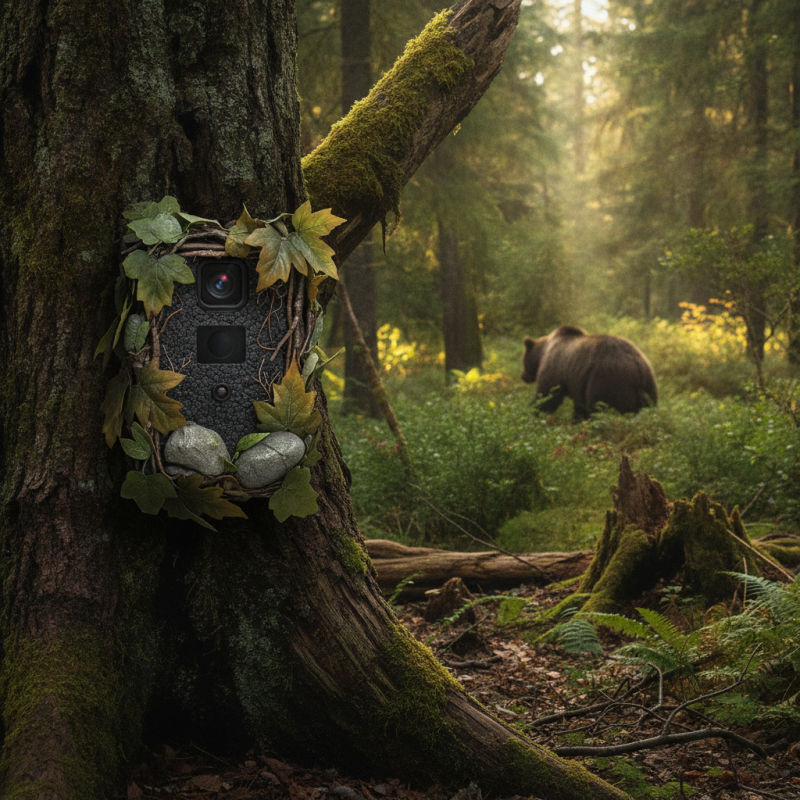
When choosing the right bear camera for wildlife observation, consider critical features. Think about resolution first. A high-resolution camera captures clearer images. These details help identify species and behaviors.
Next, focus on night vision capabilities. Bears are most active at dawn and dusk. A camera with infrared or low-light technology performs well in these conditions.
Battery life is another important factor. Longer battery life means less frequent maintenance. You want to minimize disruption in observed areas.
Don’t overlook durability. A robust design withstands harsh weather conditions. Cameras in the wild face rain, snow, and extreme temperatures. It’s also essential to review user feedback. Real-life experiences provide insights into performance. After all, not every camera meets expectations.
Consider the placement of your camera, too. Strategically position it near bear trails or food sources. But be cautious. Improper placement can lead to missed opportunities. Monitoring wildlife is a rewarding experience. Choose wisely to get the best out of your observations.
When selecting the best hidden bear camera for wildlife observation, several features are crucial. First, consider the camera's resolution. A higher resolution captures clearer images, especially in low light. Daytime images should be sharp, while nighttime photos must remain visible. Look for infrared technology to help with nighttime visibility without disturbing the animals.
Another key feature is the camera's trigger speed. A fast trigger speed minimizes the chance of missing action. Delays can cause missed opportunities. Battery life is also important. Long-lasting batteries ensure that you won’t frequently need to replace them.
Consider also the camera's casing. It should be durable and waterproof to withstand various weather conditions. Wildlife can be unpredictable, and you want to ensure the camera remains functional. Lastly, a user-friendly setup will save time when placing it in the field. These features enhance reliability and performance but pay attention to limitations. No camera can guarantee perfect results in all conditions.
| Feature | Description | Importance |
|---|---|---|
| Video Quality | 1080p or higher resolution for clear images | Essential for identifying animals and their behaviors |
| Night Vision | Infrared or low-light capability for nighttime observation | Critical for observing nocturnal wildlife |
| Trigger Speed | Speed at which the camera captures images after movement is detected | Important for capturing spontaneous animal movements |
| Battery Life | Duration the camera can operate without battery change | Maximizes time spent in the field without maintenance |
| Weather Resistance | Ability to withstand various environmental conditions | Ensures functionality in different climates |
| Storage Capacity | Amount of footage or images the camera can store | Critical for longer observation periods |
Setting up a bear camera requires careful consideration. Choose the right location. Look for areas with frequent bear activity. This might be near food sources like berries or streams. Observe the environment for tracks and signs of bear presence. This will guide you to an effective setup.
Ensure the camera remains hidden. Camouflage is essential; use natural materials to blend it with the surroundings. Position the camera at a height where bears can be clearly seen, but out of their reach. Test different angles. Adjust as necessary based on initial footage. Hiding the camera well can yield better results.
Regular monitoring is crucial. Check the camera frequently to see if it captures wildlife. You might find moments that surprise you. However, not every setup will work perfectly. It’s a trial-and-error process. Learn from the mistakes. Patience is key. Enjoy the journey of observation.
Maintaining your bear camera during wildlife observation is crucial for capturing high-quality footage. Regular checks ensure that your gear remains functional. Studies indicate that up to 30% of wildlife cameras fail due to battery issues. Replace batteries every two months, especially in colder climates. Cold conditions can drain energy levels faster than expected.
Set your camera to capture events only when motion is detected. This improves battery life significantly. In fact, a well-adjusted camera can extend battery life by up to 50%. Use weather-resistant enclosures. This can protect your camera against rain and dust, reducing potential damage. Remember, dirt and moisture can lead to poor image quality, affecting your observational data.
Regularly review your footage. Not only does this help assess camera functionality, but it also informs adjustments for better wildlife encounters. Reflect on previous observations. Missing opportunities can teach valuable lessons. Consider the locations and times of successful captures. This iterative process enhances future wildlife observation efforts.
When reviewing footage from bear cameras, start with a systematic approach. Watch for specific behaviors. Look for feeding patterns or social interactions among bears. Noticing subtle changes can reveal much about their habits. Jot down timestamps of interesting events. This will help you find key moments quickly during later reviews.
Analyzing the footage requires patience and attention to detail. One might miss important cues when watching too quickly. Take breaks to refresh your perspective. Consider the environment as well. Is the bear more active during certain hours? What does its body language indicate? Track these observations over time to build a clearer picture.
Think about the context of the footage you’re examining. For instance, did a particular weather event affect bear activity? Reflect on these questions as you analyze. Engaging deeply can uncover complexities in animal behavior. Strive to document what stands out and what feels repetitive. This creates a clearer narrative. Observation is more than just watching; it's an art that demands keen insight and reflection.
: Focus on resolution, night vision, battery life, and durability for effective wildlife monitoring.
Higher resolution captures clearer images, helping you identify species and behaviors more effectively.
Look for areas with frequent bear activity, near food sources or bear trails, for better chances of capture.
Use natural materials for camouflage and position the camera out of reach but at a height to see bears clearly.
Regular checks are important. This helps to ensure functionality and potentially reveal unexpected or exciting wildlife moments.
Change batteries every two months and set the camera to detect motion, extending battery life significantly.
It’s a trial-and-error process. Reflect on your setup and try adjusting the camera angles or locations.
Up to 30% may fail due to battery issues. Weather can also affect functionality; be prepared for maintenance.
Reviewing footage helps assess functionality and informs better adjustments for future wildlife encounters.
Missing opportunities can serve as lessons to enhance future setups and observation strategies.
When choosing the right Hidden Bear Camera for wildlife observation, it’s essential to consider key features that enhance functionality, such as resolution, night vision, and motion detection capabilities. A well-selected camera can significantly improve your ability to monitor bear activity in their natural habitat.
Setting up your Hidden Bear Camera correctly is crucial for effective monitoring; ensure that it's placed strategically for optimal coverage. Regular maintenance, such as checking battery levels and cleaning the lens, will ensure the camera remains operational. Finally, reviewing and analyzing the footage can provide valuable insights into bear behavior, making your wildlife observation experience all the more rewarding. Understanding these elements will help you make the most of your Hidden Bear Camera and contribute to successful wildlife research.
