
JingZhi Camera
A compact camera can support home or workplace security when its use is transparent, proportionate, and consistent with local rules. This guide to the 7 Best Hidden Tiny Cameras for Legal Security Use focuses on practical monitoring, not bypassing privacy. A Hidden Tiny Camera may suit a permitted, clearly defined security setup, but small size does not make every placement appropriate. Not always.
The models should be compared by image quality, reliable storage, battery life, and performance in dim rooms. Look for clear product specifications and straightforward setup instructions. A camera that records a hallway well may struggle with glare from a glass door. Check whether footage can be secured with a strong password and whether the device provides clear recording indicators. These details matter more than flashy claims. Real rooms are messy.
Before choosing a device, consider who could be recorded and whether they have been appropriately informed. Avoid private spaces, and check applicable consent, recording, and data-protection requirements before installation. Rules vary by location, so a product review cannot replace local guidance. Use the least intrusive setup that meets a genuine security need, limit access to footage, and delete recordings when they are no longer needed. Tiny cameras also have limits: narrow views, weak low-light performance, and frequent charging can reduce their usefulness. A careful choice starts with honest expectations—and a willingness to reconsider whether a camera is needed at all.
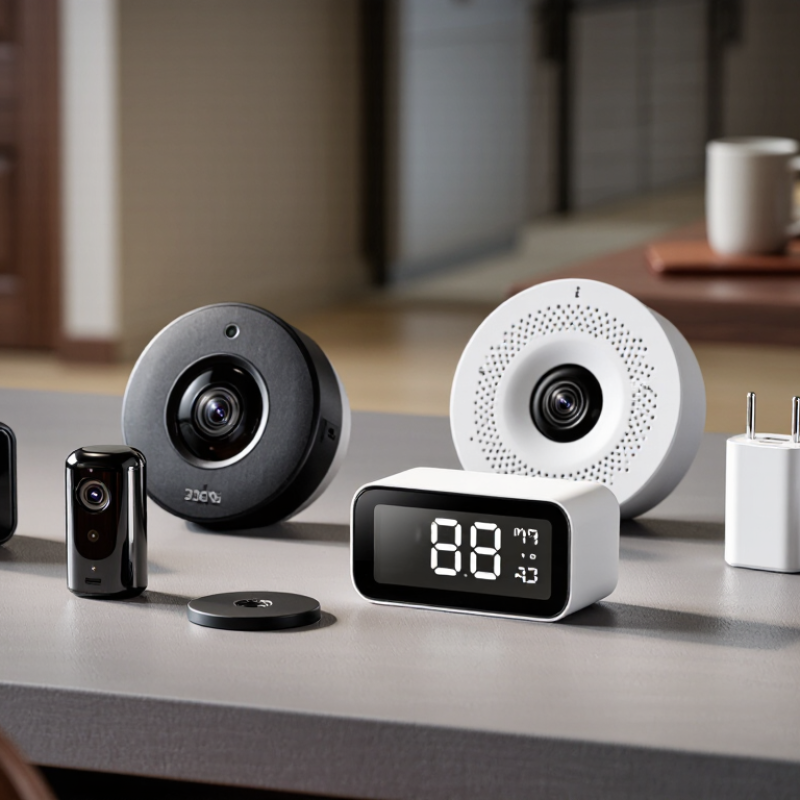
Tiny cameras are compact tools for specific security tasks, not a license for secret monitoring. In legitimate settings, they can document an entryway, a storage area, or equipment after hours. Keep devices visible where practical, explain their purpose, and avoid spaces where people expect privacy. Check local rules before recording, and limit access to footage.
The FBI’s 2023 Crime in the Nation report estimated 1,954.4 property crimes per 100,000 people, down 2.4% from 2022. That figure describes reported crime; it does not prove cameras prevent it. A 2019 Campbell systematic review found CCTV was associated with a 13% reduction in crime overall, with stronger results in car parks than in some other settings. Still, small is not automatically better. A camera can miss faces in dim hallways, and stored footage can expose residents if access is poorly managed. I would assess the viewing angle, lighting, retention period, and who can retrieve recordings before choosing a compact unit. The setup matters as much as the device.
A tiny camera can help document a real security concern, but small size does not make recording automatically appropriate. Before installation, define the specific risk, the area that needs coverage, and who may be recorded. A plainly visible camera near an entry can often provide useful evidence without creating the same privacy concerns as concealed recording. Keep it visible.
Check local rules before buying or placing any device. Requirements can differ for audio, shared housing, workplaces, and notice to visitors. Do not assume that owning a space gives you unlimited permission to record everyone in it. When rules are unclear, ask a qualified local professional rather than relying on a product description or online comment.
Consider what the camera captures beyond the intended doorway: a neighbor’s window, a shared hallway, or a computer screen. Aim the lens narrowly, disable audio unless you have confirmed it is lawful and necessary, and restrict access to recordings. Use strong account protection and delete footage when it is no longer needed. A small device can collect a surprisingly large amount of personal detail. It is worth asking whether a less intrusive measure, such as better lighting or a visible camera, would address the same concern.
When comparing compact security cameras, start with image quality in the conditions where they will operate. A high resolution rating can look impressive, but a narrow field of view may miss a doorway’s edges. Check sample footage in daylight and dim rooms, and look for readable details without excessive glare. Low-light performance matters. So does reliable motion detection, which should avoid constant alerts from passing headlights or curtains.
Power and storage affect daily reliability. Compare battery life under motion recording, not just standby estimates. If a camera uses local storage or a secure cloud service, check recording limits, access controls, and how easily footage can be reviewed.
A clear status light and straightforward privacy controls are useful signals of responsible design. For lawful security use, place cameras only where recording is permitted, respect other people’s privacy, and provide notice when required. Small devices can be easy to overlook, and that deserves careful thought.
Tips: Test the camera in its intended room before relying on it. Review a short clip from the farthest corner. Check that timestamps are correct and alerts arrive promptly. No single specification tells the whole story; real performance can be a little less tidy than the product sheet suggests.
Seven Tiny Cameras for Lawful Security Monitoring
Tiny cameras can support lawful security monitoring when they solve a specific, clearly defined problem. A compact unit near a permitted entrance can record deliveries, door activity, or equipment after hours. Small does not mean simple. Check the viewing angle, low-light performance, power supply, and date-and-time settings before installation. A blurry clip or dead battery helps nobody. Grand View Research estimated the global video surveillance market at USD 53.7 billion in 2023, reflecting strong investment in monitoring technology. That figure describes market size, not proof that any camera prevents crime.
Use cameras openly and only in areas where monitoring is appropriate. Tell affected staff or visitors when required, follow local privacy rules, and never aim devices into bathrooms, changing areas, or neighboring private spaces. Placement matters. Limit who can view recordings, protect stored files with strong access controls, and set a retention period tied to a real security need. Keep a simple log of camera locations and routine checks. It may feel like extra paperwork, but it helps reveal blind spots and unnecessary recording. Before choosing a tiny camera, confirm that its size does not hide important limitations, such as weak night footage or difficult evidence export.
Choose a small security camera for reliable footage, not for hiding it.
Check its resolution, low-light performance, storage options, and security updates before buying. A clear view of the front entry may be more useful than a tiny image covering several rooms. Keep it visible.
Place cameras only where monitoring is appropriate, such as an entrance or a garage holding equipment. Avoid bathrooms, bedrooms, and areas where visitors expect privacy.
Aim the lens at your own property, not a neighbor’s windows or private spaces. A narrow view can reduce unwanted recording.
Rules differ by location, especially for audio, notice, and data storage. Check local requirements, and tell household members or visitors when recording is taking place. Turn off audio unless there is a clear, lawful need. Use a strong, unique password, restrict account access, and set a short retention period. Even a careful setup can capture more than intended; review sample footage and adjust the angle. This step is easy to overlook.
Place it visibly near an entrance, garage, or equipment area. Aim it at your own property. Avoid bedrooms, bathrooms, and private spaces.
Small size does not make hidden recording appropriate. A visible camera can reduce privacy concerns and still document activity clearly. Keep it visible.
Disable audio unless local rules clearly allow it and the recording is necessary. Audio may capture private conversations unexpectedly. This is easy to miss.
Check local requirements for notice, audio, shared housing, workplaces, and storage. Property ownership does not always allow unlimited recording.
Aim the lens narrowly toward your doorway or driveway. Check for windows, shared hallways, and computer screens in the frame. Adjust the angle after reviewing sample footage.
Use a strong, unique password and limit account access. Choose secure storage and delete footage when it is no longer needed.
Prioritize clear resolution, low-light performance, storage controls, and security updates. A sharp doorway view often beats a blurry view of several rooms.
Yes. Better lighting, stronger locks, or a visible camera may address the same concern. I might still overlook a simpler solution. Review the setup carefully.
This guide explains how a Hidden Tiny Camera can support legitimate security needs, such as monitoring an area you own or are authorized to protect. It outlines important privacy and ethical considerations, including informing people when required, avoiding private spaces, and checking the rules that apply in your location before recording. The goal is responsible monitoring, not covert observation.
The article also compares practical features such as image quality, low-light performance, storage, power, connectivity, and ease of use, then reviews seven compact camera options for lawful security purposes. It concludes with guidance on choosing a camera suited to the space and placing it openly and thoughtfully, with recordings protected and used only for their intended security purpose.
