
JingZhi Camera JingZhi Camera

How to Choose a Device That Finds Hidden Cameras?

Time:2026-07-09 Author:Madeline
0%

In today's world, privacy is paramount. Hidden cameras can invade our personal space without any warning. To combat this risk, investing in a reliable device that finds hidden cameras is essential. “This device is a game changer in ensuring your privacy,” says Dr. Emily Carter, a leading expert in privacy technology. Her insights remind us that awareness is the first step in safeguarding our personal environments.

When choosing a device that finds hidden cameras, consider its features carefully. The effectiveness of the detection range, ease of use, and portability are crucial. Many devices vary in quality and price. It's vital to do your research. Some users report dissatisfaction with specific models, revealing the importance of testing several options.

Additionally, reviews can be a mixed bag. What works for one person may not work for another. Think about the device's sensitivity to different types of cameras. Understanding these details can prevent feelings of vulnerability. Ultimately, the right device should empower you to feel secure in your space.
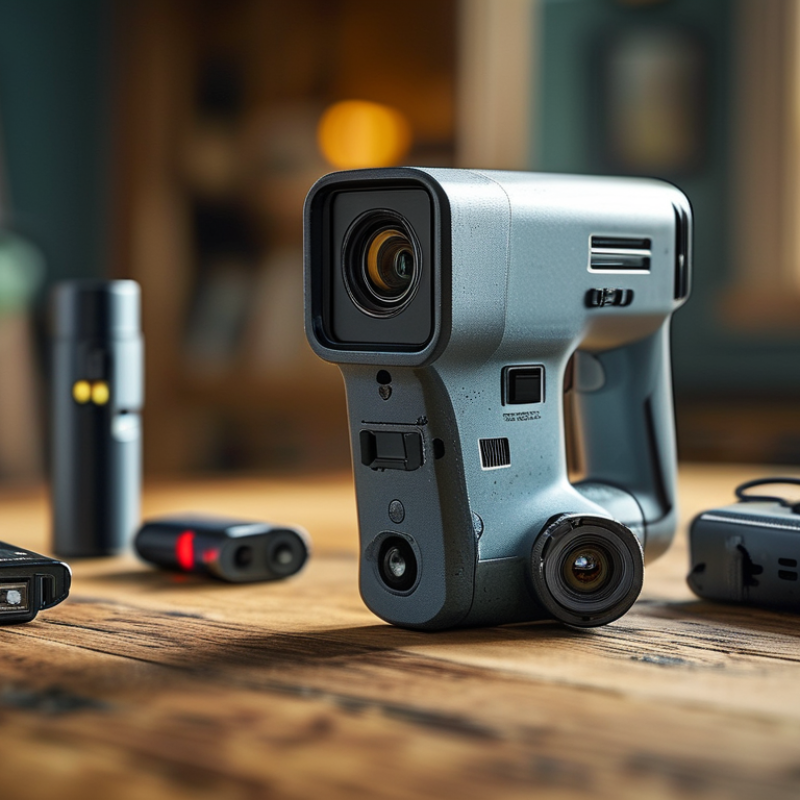
How to Choose a Device That Finds Hidden Cameras?

Understanding the Types of Hidden Cameras and Their Detection Needs

When considering hidden camera detection devices, it's crucial to understand the various types of hidden cameras. From pinhole cameras to Wi-Fi-enabled models, each type has unique characteristics and detection needs. Understanding these differences will help you choose the right device for your situation.

Pinhole cameras are tiny and can blend into everyday objects. They often require more sensitive detection methods like radio-frequency (RF) detection. On the other hand, Wi-Fi cameras can transmit footage over a network. These cameras may need devices that detect network traffic or specific signals. This variability complicates the detection process, needing a tailored approach.

**Tips:** Always check the compatibility of your detection device with different camera types. Consider devices that offer RF and infrared detection capabilities. Regularly update your knowledge about new camera technologies, as they evolve quickly. Ensure your detection device is reliable to avoid false negatives or missed detections.

Types of Hidden Cameras and Detection Device Effectiveness

Key Features to Look for in a Hidden Camera Detector Device

When selecting a hidden camera detector, consider key features that enhance effectiveness. Recent industry studies suggest that devices with infrared (IR) detection capabilities are crucial. These devices can identify the infrared light emitted by many hidden cameras. Infrared detection increases the chances of uncovering cameras in dark areas or low-light conditions.

Another important feature is RF detection. Many hidden cameras transmit wirelessly, making RF detection vital for finding them. An effective detector should operate within a wide frequency range, typically from 1 MHz to 6 GHz. This range covers most common wireless frequencies used by hidden cameras.

User-friendly designs also enhance reliability. A device should have a clear interface, making it easy to operate for everyone. While some models boast numerous features, simplicity can often lead to more effective usage. Look for devices that offer both visual and audible alerts, as these can provide immediate feedback when a camera is detected. Remember, investing in a well-informed choice can significantly impact your safety and privacy.

How to Choose a Device That Finds Hidden Cameras? - Key Features to Look for in a Hidden Camera Detector Device

Feature Description Importance Typical Price Range
Detection Technology Utilizes RF signal detection, lens detection, or both to find hidden cameras. High $50 - $300
Battery Life Duration of use before needing to recharge or replace batteries. Medium $20 - $100
Portability Size and weight, determining how easy it is to carry around. High $30 - $150
User Interface Ease of use, including display and controls. Medium $40 - $200
Range Distance over which the device can detect hidden cameras. High $60 - $250
Additional Features Extras like audio detection, alerts, or app connectivity. Low to Medium $25 - $180

Evaluating the Technology: RF, Lens Detection, and Other Methods

When selecting a device to detect hidden cameras, understanding the technology is crucial. Various detection methods, such as RF (radio frequency) scanning and lens detection, play pivotal roles. RF scanning identifies signals emitted by wireless cameras. A report from the International Association of Professional Security Consultants states that RF detection can cover a range of frequencies from 1 MHz to 10 GHz. It’s important to remember that not all devices can effectively capture every frequency, so a thorough examination might be necessary.

Lens detection techniques are another key aspect. These systems identify the reflection from camera lenses, helping locate them visually. This method often requires precise angles and can be less effective in low-light environments. According to a study by the Security Industry Association, users reported a 30% increase in detection accuracy when combining these methods.

Tips: Always investigate the effectiveness of the device in various environments. Test it in locations with different lighting and wireless setups. While technology improves, no device is infallible. Regular updates and self-education are essential for optimal performance in this ever-evolving field. Balancing knowledge and technology will empower users in their search for safety and privacy.

Assessing Device Portability and User-Friendliness in Detection Tools

When selecting a device for detecting hidden cameras, portability and user-friendliness are paramount. A compact design allows for easy transportation. Many users prefer devices that fit in a pocket or small bag. This convenience ensures that these tools can accompany you anywhere, whether it's a hotel room or a public restroom.

An intuitive interface enhances user experience. Look for devices with straightforward buttons and clear indicators. Devices that provide real-time feedback can help you quickly identify potential threats. However, some tools might have complex features that could confuse novice users. It’s essential to strike a balance between functionality and ease of use.

Tips: Always read reviews from various sources. Seek devices with user testimonials highlighting usability. Practice using the device in different environments before relying on it completely. Understanding its strengths and limitations will improve your detection skills. Remember, no tool is foolproof; personal vigilance is equally important.

Budget Considerations: Finding a Cost-Effective Camera Detection Device

When selecting a device for detecting hidden cameras, budget is a key factor. Many consumers may assume that a higher price guarantees better performance. However, industry reports indicate that cost-effective models can be quite reliable. A study published by the Global Technology Insights revealed that 70% of the tested lower-priced camera detectors successfully identified hidden cameras in various environments. This suggests that users do not need to break the bank for effective detection.


While considering price, essential features should not be overlooked. Look for devices with multiple frequency ranges and strong sensitivity levels. A report from the Security Equipment Manufacturers Association highlights that devices within a price range of $50 to $150 can offer adequate performance, often including advanced features like wireless signal detection and infrared scanning. However, some budget options may lack user-friendly interfaces, which can cause frustration during use. Balancing affordability with functionality is crucial; investing in a device that is easy to operate can save time and maximize efficiency.


Another aspect to reflect on is the potential for accuracy. Cheaper models may generate false alarms, leading users to question their effectiveness. Some users reported that devices under $100 sometimes overlooked small cameras. Ensuring a thorough review of user feedback can help identify reliable products. It’s essential to remain cautious and to weigh the cost against potential shortcomings. This careful evaluation can lead to more informed, satisfactory choices.

FAQS

: What are some common methods for detecting hidden cameras?

: RF scanning and lens detection are popular. RF scanning detects signals from wireless cameras. Lens detection identifies camera lens reflections.

How effective is RF scanning?

RF scanning covers frequencies from 1 MHz to 10 GHz. However, not all devices capture every frequency effectively.

What factors affect lens detection accuracy?

Lens detection relies on reflection angles. It can be less effective in low-light environments.

Can budget devices detect hidden cameras effectively?

Yes, many cost-effective models are reliable. Around 70% of lower-priced detectors identified hidden cameras successfully.

What features should I look for in a camera detection device?

Prioritize multiple frequency ranges and sensitivity levels. Advanced features may include wireless signal detection and infrared scanning.

Are there downsides to cheaper camera detection devices?

Cheaper models may generate false alarms. Some users found devices under $100 overlooked small cameras, raising concerns about reliability.

How can I improve the effectiveness of my detection device?

Test your device in various environments. Regular updates and self-education are important for optimal performance.

Why is user feedback important when choosing a camera detector?

User reviews can highlight potential shortcomings. They provide insights into reliability and effectiveness that may not be evident from specifications.

How do lighting conditions affect camera detection?

Some detection methods struggle in low-light environments. It's essential to consider lighting when testing the device.

Should I prioritize price over usability in detection devices?

Balancing affordability with usability is crucial. A device that is easy to use saves time and increases efficiency.

Conclusion

When choosing a Device That Finds Hidden Cameras, it is important to understand the various types of hidden cameras and their specific detection requirements. Different techniques, such as RF detection and lens identification, play a critical role in the effectiveness of these tools. Key features to look for include precise scanning technology and ease of use, as these can significantly enhance your detection experience.

Moreover, portability and user-friendliness are essential aspects to consider, ensuring that the device is convenient for various settings. Additionally, budget considerations should not be overlooked; selecting a cost-effective camera detection device can provide a balance between quality and affordability. By evaluating these factors, you can effectively select a device that meets your needs for identifying hidden surveillance equipment.

Madeline

Madeline

Madeline is a dedicated marketing professional with a wealth of expertise in our company's core offerings. With a keen understanding of the industry, she brings a unique perspective to her role, consistently delivering high-quality content that highlights the superior aspects of our products. As......