 JingZhi Camera
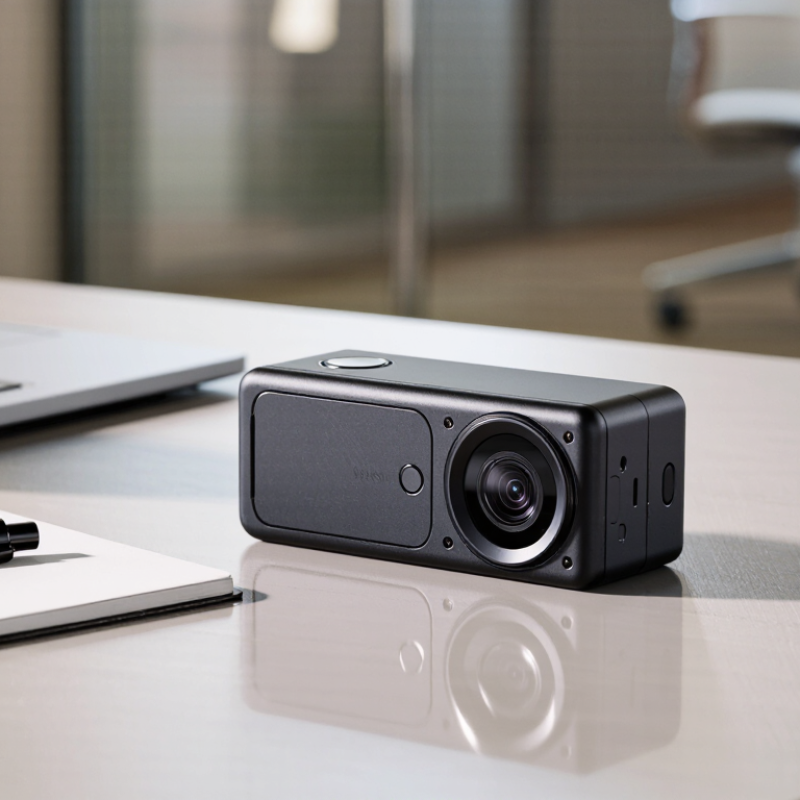
How to Choose a Hidden Button Camera for Legal Use?
A hidden button camera should be chosen for a lawful, clearly defined purpose. Protecting consent matters more than obtaining discreet footage. Check local recording rules before purchasing or using any device. Requirements may differ between public areas, workplaces, homes, and conversations. Written consent is often the safest approach. Never record in spaces where people reasonably expect privacy. That includes changing rooms, bathrooms, and private medical areas. A small device does not remove legal responsibility.
Recorded data needs equal attention. Choose a camera with strong password protection, encrypted storage, and limited access. Avoid automatic cloud uploads unless the provider explains storage locations and security controls. Set a short retention period, then delete files securely. Keep an access log when footage involves employees, visitors, or sensitive events. One practical lesson is easy to miss: clear video can still expose faces, voices, addresses, and personal routines. I would also test the device before use. Poor audio, visible indicators, or inaccurate timestamps can weaken an otherwise legitimate record.
Tips: Explain the recording purpose in plain language. Obtain consent whenever required. Use visible notices where appropriate. Record only what is necessary. Store footage away from personal devices. Review access permissions weekly. Ask a qualified privacy professional about uncertain situations. Laws change, and a reasonable plan can still contain gaps. Awareness should remain active, not assumed.
