
JingZhi Camera JingZhi Camera

How to Choose the Best Hidden Wall Camera for Your Needs?

Time:2026-06-30 Author:Liam
0%

The rise of smart technology has made Hidden Wall Cameras increasingly popular. According to a recent market report, the global security camera market is projected to reach $62 billion by 2025. This significant growth is driven by advancements in surveillance technology and the increasing need for security solutions in homes and businesses.

Choosing the right Hidden Wall Camera can be challenging. With so many options available, various features and specifications often lead to confusion. Many users overlook critical aspects such as resolution, connectivity, and storage capacity. Therefore, understanding your specific needs can make a big difference.

Quality and reliability are paramount when selecting a security camera. Reviews and expert insights highlight the importance of brand reputation. Using a Hidden Wall Camera should bring peace of mind, but not all models deliver the expected performance. Some may have limitations in low-light conditions or connectivity issues. Reflecting on your security needs and evaluating specific use cases will help you make a well-informed choice.
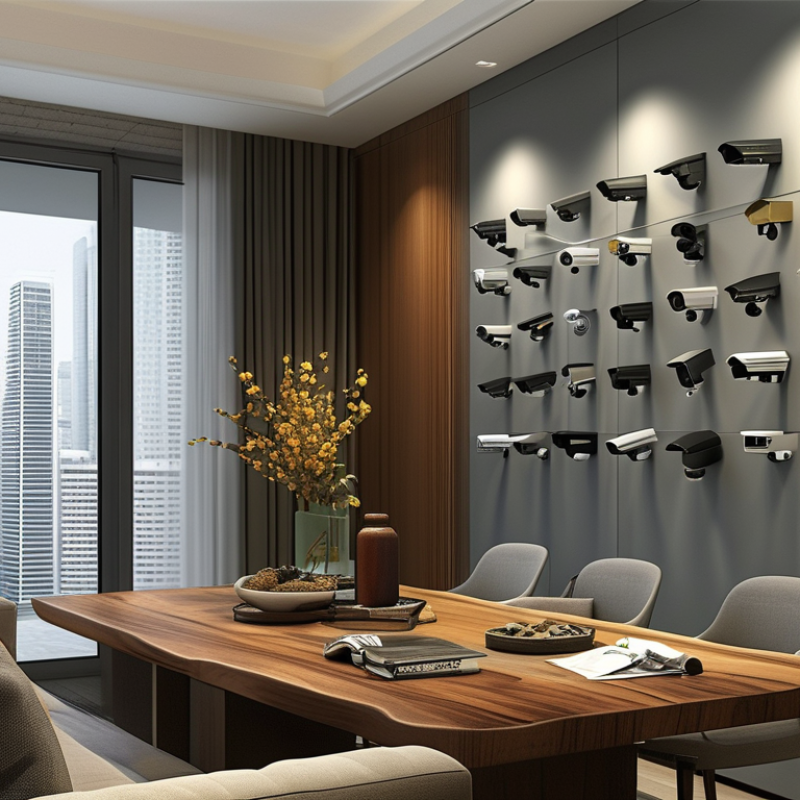
How to Choose the Best Hidden Wall Camera for Your Needs?

Understanding the Purpose of Hidden Wall Cameras

Understanding the purpose of hidden wall cameras involves recognizing their beneficial applications. These devices are often used for security, surveillance, and monitoring. According to a report from Statista, the global market for video surveillance is expected to reach nearly $75 billion by 2025. This statistic highlights the growing importance of surveillance technologies in modern society.

Hidden wall cameras serve various purposes. In residential settings, they can help monitor kids, pets, or service personnel. In business environments, they assist in preventing theft and ensuring employee safety. However, the ethical implications of surveillance remain significant. Transparency is key. Users must consider privacy policies and the potential backlash of surveillance practices.

Many options exist, from miniature devices to sophisticated systems with advanced features. The decision-making process can be overwhelming. Hidden cameras must fit the intended purpose, whether that is discreet observation or comprehensive monitoring. Analyzing user needs can reduce complexity. Recommendations from security experts often suggest prioritizing features like resolution, battery life, and storage capacity. Balancing usability with ethical considerations is paramount.

Key Features to Look for in Hidden Wall Cameras

When selecting a hidden wall camera, several key features should influence your choice. Look for high-resolution video quality. A camera that captures clear images is essential for identifying people and details. Additionally, consider the flexibility of viewing angles. Cameras with adjustable lenses or wide-angle views provide more coverage, increasing their effectiveness.

One crucial factor often overlooked is the camera's storage capacity. Ensure it supports ample memory options. Continuous recording can fill storage quickly. Check if the camera allows for easy retrieval of footage. Wireless connectivity is also important. Wi-Fi-enabled cameras enable remote access to live feeds and recorded videos, enhancing convenience. However, be cautious about privacy concerns; security settings are essential.

Another aspect to think about is the ease of installation. Some models may require professional help. Assess your skills before making a decision. Battery life should not be ignored either. Regularly replacing batteries can be a problem. Look for models with long-lasting power sources to reduce the frequency of interruptions. These elements will help you choose a hidden wall camera that truly meets your needs.

Types of Hidden Wall Cameras and Their Advantages

When selecting a hidden wall camera, understanding the types available is crucial. Generally, hidden wall cameras can be categorized into covert or overt designs. Covert cameras blend seamlessly into their environment. They are small and unobtrusive, making them ideal for discreet surveillance. According to industry reports, these compact devices can be effective in monitoring areas without drawing attention.

Overt cameras, in contrast, are more visible. They often come with indicators that show they are active. While they might not provide the same level of stealth, their presence can deter potential intruders. The choice between the two often depends on specific needs, such as whether the goal is to observe behavior or deter theft.

Tips: Consider the resolution quality of the cameras. High-definition images enable better identification of subjects. Check the field of view as well; a wider angle covers more area. Think about where the camera will be installed, ensuring it fits your aesthetic and functional needs. Quality varies, and investing in a reliable model is worth it. Remember, even top models may fail if not set up properly. Standard features might not always meet unique situations.

Factors to Consider for Optimal Camera Placement

When considering optimal camera placement, several factors demand attention. Environmental conditions play a crucial role. Research indicates that about 35% of hidden camera effectiveness is influenced by lighting. Insufficient natural light may diminish clarity. Positioning a camera near a light source enhances visibility. It’s ideal to avoid corners or overly shadowed areas to ensure footage is clear and actionable.

Another key factor is the height at which the camera is mounted. Data shows that cameras positioned at eye level capture more relevant interactions, increasing effectiveness in monitoring spaces. Keeping the camera unobtrusive yet accessible is challenging. A balance is needed to maintain functionality while blending into the environment. An unusually placed camera may invite suspicion or leave blind spots.

Lastly, the angle of the camera matters significantly. Studies suggest that the optimal viewing angle can increase image fidelity by up to 40%. Placing the camera to face the main activity zone ensures maximum coverage. Solicit feedback on the camera’s effectiveness after deployment. This reflective practice can uncover issues not initially apparent, such as unexpected obstructions or insufficient image quality. Addressing these can lead to better setups in the future.

Budget Considerations for Purchasing Hidden Wall Cameras

When considering hidden wall cameras, budget is a crucial factor. Prices can vary widely based on features and quality. Many lower-cost options may lack essential functionalities. Always examine specifications carefully. A cheap camera might save money now, but could lead to higher expenses later.

Think about your specific needs. If you require advanced features like night vision or motion detection, be prepared to spend more. However, if your needs are basic, a simpler model may suffice. Remember, it’s not just about the price tag. Assess the value and reliability of each option.

Also, factor in long-term costs. Some cameras need subscriptions for cloud storage. This extra cost can add up quickly. Choosing a camera with ample local storage could be more economical. Make sure to research user reviews, too. These insights can reveal performance quirks and reliability issues. Balancing cost and functionality is vital for a satisfying purchase.

FAQS

: What are hidden wall cameras primarily used for?

: Hidden wall cameras are mainly used for security, surveillance, and monitoring. They help in various environments.

How can hidden cameras support residential settings?

They can monitor children, pets, or service personnel, providing peace of mind for homeowners.

What factors influence the effectiveness of hidden cameras?

Environmental conditions, particularly lighting, significantly affect camera effectiveness. Proper placement is crucial for clear footage.

What height should hidden cameras be mounted at?

Cameras positioned at eye level are more effective. This height captures relevant interactions better.

How important is camera angle for capturing footage?

The right angle can increase image quality significantly. Facing the main activity zone improves coverage.

What should users consider regarding privacy and ethics?

Users must think about transparency and potential privacy issues. Ethical concerns remain crucial in surveillance practices.

How can users reduce complexity in selecting a hidden camera?

Analyzing user needs and priorities helps. Focus on features such as resolution, battery life, and storage capacity.

Why is feedback important after camera installation?

Feedback can reveal hidden issues like obstructions or poor image quality. This helps improve future setups.

What challenges exist in camera placement?

Balancing functionality and unobtrusiveness can be tough. An awkward placement may cause suspicion or create blind spots.

What happens if lighting is insufficient for a hidden camera?

Lack of light can result in unclear footage. Positioning near light sources can enhance visibility significantly.

Conclusion

When selecting the best hidden wall camera for your needs, it's essential first to understand the specific purpose you want it to serve, whether for security, surveillance, or monitoring. Modern hidden wall cameras come with various key features such as motion detection, night vision, and remote access capabilities that enhance usability and effectiveness. Different types of hidden wall cameras offer distinct advantages; for example, some may blend seamlessly into home decor, while others are designed for outdoor use.

Proper camera placement is crucial for maximizing the camera's effectiveness, so consider factors such as visibility, angle, and proximity to areas of interest. Additionally, budget considerations play a significant role in your selection process, as prices can vary widely based on features and quality. By taking into account these aspects, you can make an informed decision that ensures you choose a hidden wall camera that aligns with your specific requirements.

Liam

Liam

Liam is a dedicated marketing professional with a profound expertise in the industry, where he excels at highlighting the unique advantages of our core products. With a keen understanding of market trends and consumer needs, Liam frequently updates our company’s professional blog, providing......