
JingZhi Camera JingZhi Camera

How to Choose Legal Outdoor Wireless Hidden Cameras?

Time:2026-10-07 Author:Charlotte
0%

Choosing legal outdoor surveillance equipment requires more than finding a small camera with a strong signal. Outdoor Hidden Cameras Wireless should support safety, property protection, and responsible monitoring without invading personal privacy. A discreet design can reduce vandalism risks, but it must never encourage secret recording of neighbors, workers, tenants, or public areas. Privacy comes first.

In practical installations, camera placement often creates the greatest legal and technical challenges. A lens aimed toward your entrance is different from one aimed at a neighbor’s window. Check local privacy laws, property rules, and recording requirements before installation. Clear notice may be required, especially when visitors, employees, or shared spaces are involved. Details matter.

Reliable models usually include weather resistance, secure wireless encryption, motion detection, and dependable night vision. Look for an IP rating suited to rain, dust, heat, and seasonal temperature changes. Battery performance also deserves attention. A camera that stops working after several cloudy days offers weak protection. Test the wireless range near walls, trees, and metal fencing. Signal strength can change overnight.

Choose systems from established manufacturers with published specifications, firmware updates, clear warranties, and responsive support. Avoid products promising unlimited range or completely invisible operation. Those claims deserve careful review. Disable audio recording when it is unnecessary, since audio rules can be stricter than video rules. Store footage securely, limit access, and establish a deletion schedule. A legal camera is not automatically an ethical camera. Good judgment remains essential. This guide examines practical features, privacy safeguards, and installation decisions that help buyers make a defensible choice.
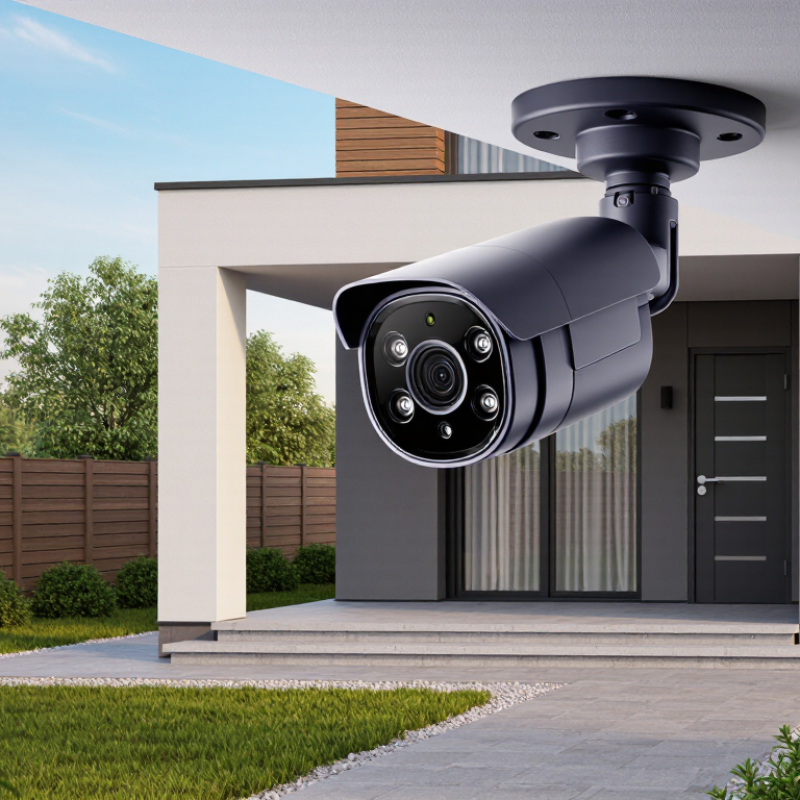
How to Choose Legal Outdoor Wireless Hidden Cameras?

Legal Rules for Using Outdoor Wireless Hidden Cameras

Choosing an outdoor wireless hidden camera begins with local privacy law, not image quality. Rules differ between countries, states, and even apartment communities. A camera should monitor your entrance, driveway, or garden path without viewing a neighbor’s windows, private yard, or bedroom. Public areas may still involve privacy expectations.

Audio requires extra caution. Many jurisdictions regulate recorded conversations more strictly than video. Unless the law clearly permits it, disable the microphone. Tell visitors, workers, or guests about recording when required. A small notice near the gate can provide useful transparency. It should explain the camera’s purpose and identify a contact person.

Wireless equipment also creates data responsibilities. Use a strong, unique password and enable current encryption. Limit account access to trusted household members. Store footage for the shortest practical period, then delete it securely. Avoid automatic sharing with unknown services. Check whether recordings cross national borders. I review these settings regularly, because a forgotten default can expose more than intended. My checklist is useful, but never perfect. Before installation, confirm municipal rules, property agreements, and data-protection requirements with a qualified local professional.

How to Choose Legal Outdoor Wireless Hidden Cameras?

Legal Rules for Using Outdoor Wireless Hidden Cameras

This timeline shows the year in which selected privacy or surveillance frameworks became applicable. Before installing an outdoor wireless camera, check whether the location creates a reasonable expectation of privacy, whether audio recording requires consent, whether notice is required, and how long footage may be retained. Laws differ by country, state, and territory, so hidden-camera use should be reviewed against the rules where the camera is installed.

Sources: U.S. Electronic Communications Privacy Act | EU GDPR | UK Data Protection Act 2018 | Canada PIPEDA | NSW Surveillance Devices Act 2007

Defining Your Security Needs and Installation Location

Before choosing a legal outdoor wireless hidden camera, define the problem clearly. Are you monitoring a gate, driveway, shed, or delivery area? Each location needs a different viewing angle. A camera facing your own entrance is usually more appropriate than one aimed at a neighbor’s windows or private yard. Check local privacy rules before installation, and use visible notices when required.

Walk around the property during daylight and after sunset. Note blind spots, shadows, rain exposure, and nearby light sources. A mounting point under an eave can protect the camera from heavy weather. It should still capture faces and movement without pointing into private spaces. Test the wireless signal from the exact position. Thick walls, metal fences, and trees can weaken it. Small details matter.

Choose features based on real risks, not impressive specifications. Motion alerts may suit a quiet side gate, while continuous recording may help at a busy driveway. Use strong passwords, encrypted storage, and limited access for every authorized user. Set a short retention period unless a longer one is genuinely necessary. Check battery life in cold or wet weather. It may perform differently than expected. Review the camera’s angle after installation, because a small shift can change the privacy impact. A careful plan protects property while respecting people nearby.

Comparing Camera Features, Power Sources, and Wireless Networks

Choosing a legal outdoor wireless hidden camera starts with purpose, not appearance. Use it only where local law permits monitoring, and avoid bedrooms, bathrooms, rented spaces, or areas with a strong expectation of privacy. Clear notice may be required. A compact weatherproof housing should resist rain, dust, and direct sunlight. Look for infrared night vision, a wide dynamic range, motion zones, and adjustable detection sensitivity. A 2K image can reveal a gate latch at night, but higher resolution also consumes more storage and bandwidth.

Power choices shape reliability. Rechargeable batteries simplify installation, yet winter temperatures and frequent motion can shorten runtime. Solar panels help in open yards, but shade from a fence can create disappointing results. Wired low-voltage power is steadier, though installation may require professional advice. Grand View Research valued the global video surveillance market at about $83.5 billion in 2023, with projected annual growth of 12.6% through 2030. That growth encourages feature overload. More features do not always mean better evidence.

Wireless networks deserve equal attention. Wi-Fi works well near a strong access point, but brick walls and metal gates weaken signals. Cellular models offer wider placement, while monthly data costs and coverage remain practical limits. Ericsson’s November 2024 Mobility Report expects global mobile data traffic to more than double by 2030. Choose efficient compression and local recording when possible. Enable encryption, unique passwords, automatic updates, and two-factor authentication. Verizon’s 2024 Data Breach Investigations Report analyzed 30,458 incidents, showing why unsecured accounts deserve serious scrutiny. My first comparison often favors battery life too heavily. Network stability usually matters more on a wet, dark evening.

Selecting Weather-Resistant and Privacy-Conscious Equipment

Choosing an outdoor wireless hidden camera requires more than a small size and strong signal. Weather-resistant housing should handle rain, dust, sunlight, and changing temperatures. Look for a clearly stated IP rating, sealed cable ports, and a cover that resists ultraviolet damage. Condensation is often overlooked. Moisture inside the lens can ruin images overnight.

Privacy deserves equal attention. Before installation, check local rules about recording private property, public areas, audio, and consent. Requirements can differ between cities, buildings, and rental agreements. Avoid bedrooms, neighboring windows, entrances used by visitors, and places where people reasonably expect privacy. Disable audio when it is not essential. A visible notice may also be appropriate, even when local law does not explicitly require one.

Wireless security matters outdoors. Select equipment that supports strong encryption, unique passwords, regular firmware updates, and restricted account access. Test the signal through walls and trees, then check the camera after heavy rain and cold nights. A weather rating is not a guarantee. Poor mounting can still expose seals to water. I have found that convenience sometimes encourages careless placement. Recheck the viewing angle from a visitor’s perspective. If the image captures more than necessary, adjust it. Keep recordings only as long as there is a clear, lawful reason. Safety should not become an excuse for unnecessary surveillance.

Installing, Operating, and Maintaining Cameras Responsibly

How to Choose Legal Outdoor Wireless Hidden Cameras?

Installing an outdoor wireless camera responsibly begins with location. “Hidden” should never mean secret surveillance. Aim only at your property, not bedrooms, windows, neighboring yards, or public changing areas. Check local privacy rules before installation. Some regions require visible notices or consent, especially when audio is recorded. Disable microphones unless they have a clear, lawful purpose. The rules can feel inconvenient. They protect everyone.

Use a strong unique password, multi-factor authentication, and encrypted connections. The 2024 Data Breach Investigations Report analyzed 30,458 security incidents and found a human element in 68% of breaches. That figure makes basic account discipline practical, not theoretical. Change default credentials immediately. Update firmware through the manufacturer’s verified channel. Store recordings for the shortest useful period, then delete them automatically. Keep access logs, and review shared users each month.

Operating conditions matter outdoors. Mount the camera under a small roof, with a clear view and no exposed cable loops. Check the lens after rain, dust, or frost. Test night images and wireless strength from the exact mounting point. Replace batteries before they fail during an incident. Inspect seals twice yearly. I once treated maintenance as optional; the first fogged lens changed that view. Keep a simple inspection record. If the camera captures more than intended, reposition it, even when the image looks technically clear.

FAQS

Where can I legally install an outdoor wireless camera?

Aim it at your entrance, driveway, gate, or garden path. Avoid neighbors’ windows, bedrooms, and private yards. Public spaces may still carry privacy expectations.

Should the camera record audio?

Treat audio as a separate legal issue. Many places regulate conversations more strictly than video. Disable the microphone unless local law clearly permits recording.

When should visitors be told about recording?

Tell visitors, workers, or guests when local rules require notice. A small sign near the gate can explain the camera’s purpose and contact details.

How should I choose the camera’s viewing angle?

Walk around the property during daylight and after sunset. Check faces, shadows, blind spots, and nearby windows. Small shifts matter.

What location can protect the camera from bad weather?

An eave can reduce heavy rain exposure. The camera should still capture movement without pointing into private spaces.

How can I test the wireless connection?

Test the signal from the exact mounting position. Thick walls, metal fences, and trees may weaken the connection. Check twice.

How should I protect recorded footage?

Use a strong, unique password and current encryption. Limit access to trusted household members. Avoid automatic sharing with unknown services.

How long should recordings be stored?

Keep footage for the shortest practical period. Delete it securely when it is no longer needed. Longer storage may require stronger justification.

What should I check before final installation?

Review municipal rules, property agreements, and data-protection requirements. Check whether footage crosses national borders. My checklist helps, but it is not perfect.

Conclusion

Choosing Outdoor Hidden Cameras Wireless requires careful attention to legal, ethical, and practical considerations. Before installation, confirm that monitoring is permitted in your area and avoid recording private spaces, neighboring property, or conversations without proper consent. Clearly define your security goals, such as monitoring entrances, pathways, or outdoor equipment, and select locations that provide useful coverage while respecting personal privacy.

Compare image quality, motion detection, night vision, storage options, power sources, and wireless network reliability. Weather-resistant construction is essential for outdoor use, while secure passwords, encrypted connections, and limited user access help protect recorded information. Solar, battery, or wired power should be selected according to the site and maintenance needs. Install the cameras discreetly but responsibly, keep them focused only on necessary areas, check their operation regularly, update security settings, and remove recordings when they are no longer needed. Thoughtful planning ensures effective protection without compromising privacy or legal responsibilities.

Charlotte

Charlotte

Charlotte is a seasoned marketing professional with a deep understanding of the company's portfolio and a passion for elevating its presence in the market. With a keen eye for detail and a commitment to excellence, she ensures that our professional blog is regularly updated with insightful articles......