
JingZhi Camera JingZhi Camera

How to Choose the Best Device to Scan for Hidden Cameras?

Time:2026-06-24 Author:Oliver
0%

As privacy concerns rise, the demand for a reliable device to scan for hidden cameras has surged. Industry reports indicate that over 70% of individuals feel uncomfortable in spaces where they suspect surveillance. This has led many to seek effective tools to ensure their safety. Expert Tom Fletcher, a recognized authority in security technology, states, "A device to scan for hidden cameras is vital in protecting personal privacy."

In a world where technology evolves rapidly, choosing the right scanning device is crucial. With various options available, it can be overwhelming. Features to consider include signal detection capabilities, user-friendliness, and battery life. A device that fails to meet these criteria might leave individuals exposed to unwelcome surveillance.

When evaluating these devices, it's essential to remain skeptical and discerning. Some products may promise more than they deliver. Take time to research and read user reviews for insights. Protecting your privacy should not rely on guesswork. Instead, rely on solid information and expert guidance to make an informed choice.
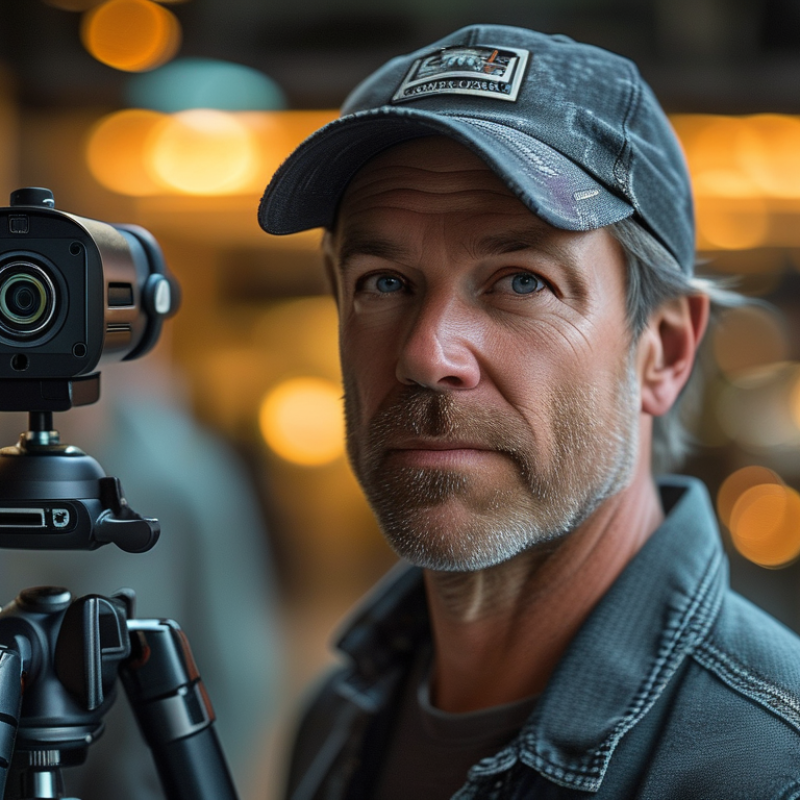
How to Choose the Best Device to Scan for Hidden Cameras?

Understanding the Importance of Scanning for Hidden Cameras

In today's digital age, scanning for hidden cameras is crucial for ensuring privacy. A study by the Privacy Rights Clearinghouse revealed that approximately 70% of individuals feel concerned about unauthorized surveillance in their living environments. This statistic underscores the growing need for effective scanning solutions. Hidden cameras can be minuscule, making them difficult to detect without the right tools.

Experts recommend understanding the various types of scanning devices available. Some devices detect radio frequency signals, while others identify physical lenses or infrared light. A report from the Electronic Frontier Foundation highlights that simple devices can sometimes miss advanced hidden cameras. Thus, it becomes vital to educate oneself about these technologies. Knowledge is power, especially when navigating privacy concerns in public and private spaces.

Many individuals may dismiss hidden camera threats as exaggerated. This mindset could lead to vulnerability. Realizing that surveillance technology is widely accessible can be alarming. Adopting proactive measures—like using a scanning device—can help one feel secure. This awareness encourages a deeper understanding of personal safety in an increasingly monitored world.

Understanding the Importance of Scanning for Hidden Cameras

Types of Hidden Camera Devices and Their Detection Challenges

When it comes to hidden cameras, understanding the types available is crucial. There are various devices such as Wi-Fi cameras, wired cameras, and motion-detection cameras. Each type poses unique challenges for detection. For instance, Wi-Fi cameras often blend seamlessly into everyday objects like alarm clocks or smoke detectors. Detection can be tricky, as these devices can operate without any wires.

Wired cameras, on the other hand, make use of physical connections. They may be mounted in less noticeable areas. However, finding battery-operated wired cameras can still be challenging. According to a report from the Surveillance Technology Forecast, over 35% of users find motion-detection cameras particularly difficult to track due to their limited visibility. They can activate only when motion is detected, and when not in use, they remain invisible.

The effectiveness of detection tools varies significantly. An in-depth analysis by the Security Research Institute revealed that conventional detection methods fail in 65% of cases due to advanced technology. Users must be aware that even the most sophisticated scanners have limitations. Relying solely on technology might not be enough to guarantee complete safety.

Key Features to Look for in a Scanning Device

When selecting a scanning device for hidden cameras, focus on key features that enhance usability and reliability. Detection range is crucial. A device with a wide range can identify cameras from a distance. Look for devices that can scan multiple frequencies, as hidden cameras can operate on various bands. An LED indicator or a sound alert is beneficial to notify you when a device is detected.

Tips for effective scanning: Test the device in different environments. Background noise can affect performance. Always check for potential interference, like Wi-Fi devices. Read user reviews for real-world performance insights. A simple user interface is another must-have feature. This ensures quick scanning without complicated settings.

Battery life matters too. A longer-lasting battery can increase your efficiency. If a device runs out in the middle of a scan, you may miss crucial detections. Opt for models that allow for easy battery replacements or have rechargeable options. Finally, make sure the device is portable. A lightweight scanner can be handy in various situations, whether at home or while traveling.

How to Choose the Best Device to Scan for Hidden Cameras? - Key Features to Look for in a Scanning Device

Feature Description Importance Level
Frequency Range Ability to detect signals in various frequency bands where hidden cameras operate. High
Sensitivity The device's capability to pick up weak signals and differentiate between various frequencies. High
Portability Ease of carrying the device around for personal safety and convenience. Medium
Battery Life Duration the device can operate before needing a recharge or battery replacement. High
User-Friendly Interface Ease of use, including clear display and intuitive controls. Medium
Detection Modes Multiple modes for detecting different types of surveillance devices. High
Price Cost of the device relative to its features and performance. Medium

How to Effectively Use a Scanning Device for Camera Detection

Using a scanning device to detect hidden cameras can be daunting. Start by familiarizing yourself with the scanner’s features. Different models offer various functions, such as detecting infrared signals or wireless transmissions. A clear understanding of these can enhance your scanning efficiency.

When actively using a scanning device, methodical movement is key. Sweep the area gradually and be observant of any unexpected sounds or flashes. Pay attention to places where cameras are likely hidden: behind furniture, in smoke detectors, or even electronic devices. If you suspect something, pause and take a closer look.

Sometimes, even the best devices can miss hidden cameras. It’s essential to maintain a critical mindset. Consider that not all suspicious items are cameras, and some places might naturally possess equipment that looks unusual. Being thorough and adopting a diligent approach will improve your chances of detection.

Tips for Ensuring Maximum Safety and Privacy When Scanning

When scanning for hidden cameras, prioritizing safety and privacy is crucial. Understanding your environment is the first step. Spend time looking at the layout of rooms, and identify places where cameras might be hidden, such as smoke detectors, air vents, or decorative objects. This awareness can help you better focus your scanning efforts.

Using the right scanning device can enhance your search. Look for devices that detect radio frequencies or infrared signals, as these are common for camera operation. Regularly check your equipment to ensure it’s functioning correctly. An improperly calibrated device might miss critical signals, rendering your efforts ineffective.

Personal safety is equally important. If you feel uncomfortable or uneasy, have a trusted friend join you. This can provide peace of mind as you navigate unfamiliar spaces. Always maintain a calm demeanor, even if you discover something concerning. The process can be daunting, prompting reflection on trust and privacy. Remember, diligence now can prevent future discomfort.

FAQS

: What features should I prioritize when selecting a scanning device?

: Focus on detection range, frequency scanning, and clear indicators like LED lights or sound alerts.

How important is detection range in a scanning device?

A wider detection range allows for spotting cameras from a distance, improving your scanning effectiveness.

Can background noise affect the performance of a scanning device?

Yes, background noise can interfere with detection. Test your device in various environments to find optimal conditions.

What should I do if I suspect the presence of a hidden camera?

Move your scanner methodically and observe closely. Check common hiding spots like behind furniture or within electronics.

How can I ensure the scanner has a long battery life?

Choose models with longer-lasting batteries or those that are rechargeable for continuous scanning.

What is the benefit of a simple user interface?

A simple interface allows for quick scanning without complicated settings, making your task easier.

How can I validate the effectiveness of a scanning device?

Read user reviews for real-world performance insights; they often highlight strengths and weaknesses.

What should I consider if my device misses detection?

Maintain a critical mindset. Some unusual items may not be cameras, so thoroughness is crucial.

Why is portability an important feature in scanning devices?

A lightweight scanner is easy to carry, making it useful in various settings, including travel.

What are common hiding places for hidden cameras?

Inspect areas behind furniture, inside smoke detectors, or within common electronic devices for potential cameras.

Conclusion

When choosing the best device to scan for hidden cameras, it's vital to understand the significance of such detection for personal privacy and security. Hidden camera devices come in various forms, each presenting unique detection challenges. Therefore, selecting a scanning device requires an evaluation of its key features, such as sensitivity, range, and ease of use.

To effectively utilize a device to scan for hidden cameras, one must follow best practices that maximize its effectiveness. This includes understanding potential hiding spots and knowing how to interpret the scanning results. Additionally, it’s important to adopt safety measures during the scanning process to ensure that privacy is fully protected. With the right device and approach, individuals can confidently safeguard their spaces from unwanted surveillance.

Oliver

Oliver

Oliver is a seasoned marketing professional with a wealth of expertise in driving brand awareness and engagement. With a deep understanding of our company's product offerings, he consistently delivers high-quality content that enriches our professional blog. His insights not only shed light on......