 JingZhi Camera
JingZhi Camera
JingZhi Camera
In today’s world, privacy concerns are at an all-time high. According to a recent survey by the Consumer Privacy Index, over 70% of individuals worry about hidden surveillance in their personal spaces. This growing awareness has led to an increased demand for devices that can detect unwanted cameras. The Device That Finds Hidden Cameras is now a crucial tool for safeguarding privacy in homes, hotels, and public spaces.
Technology advancements have enabled the creation of sophisticated devices. These tools utilize various detection methods, from RF signal detection to infrared scanning. A report by the International Security Association indicated that the market for such devices has expanded by 40% in just two years. This highlights a shift in consumer behavior towards protecting their spaces.
However, not all devices are created equal. Some users have reported false alarms or inadequate detection capabilities. This inconsistency raises questions about reliability and effectiveness. As the technology evolves, continual evaluation will be necessary to ensure these devices meet users' expectations. Ultimately, investing in a dependable Device That Finds Hidden Cameras is essential for anyone concerned about their privacy.
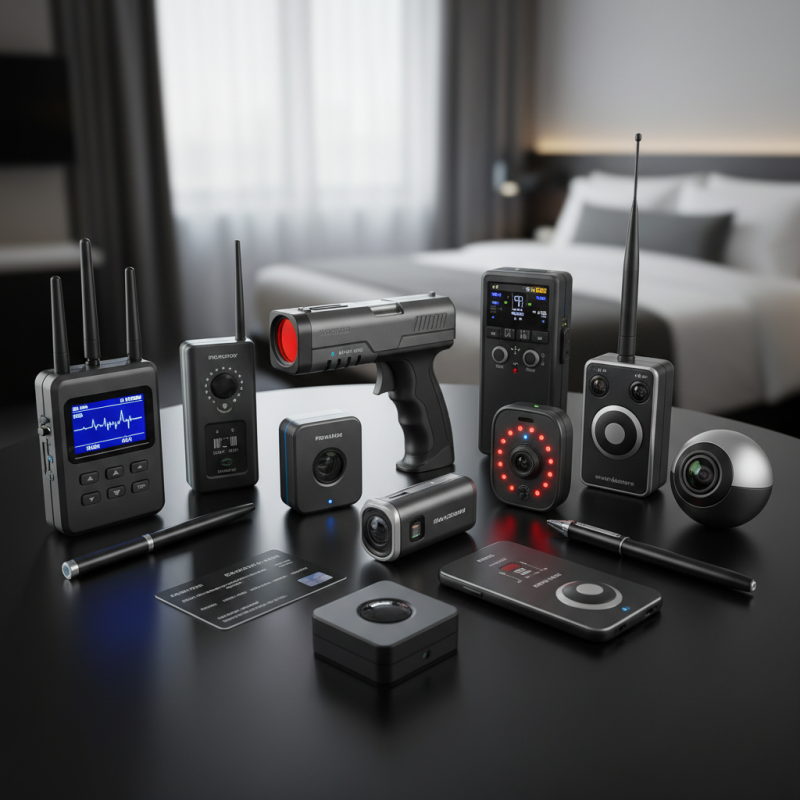
In today’s world, the presence of hidden cameras raises significant privacy concerns. Many individuals desire to feel secure in their homes and workplaces. The need for effective hidden camera detection devices has never been more critical. These devices provide peace of mind by helping people identify unauthorized surveillance.
Hidden cameras can be cleverly concealed. They may blend in with everyday objects, making them hard to spot. The ability to detect these cameras is essential, especially in sensitive areas. People often overlook potential hiding spots like smoke detectors or electrical outlets. Reliable detection tools can help uncover these hidden threats, allowing individuals to regain control over their privacy.
The technology behind detection devices varies significantly. Some tools use RF signal detection while others utilize lens detection methods. Each has its strengths and weaknesses, emphasizing the need for informed choices. It’s essential to understand how these devices work and their limitations. Not every device is foolproof, and users may still face challenges. Regularly assessing one's environment can aid in discovering vulnerabilities.
| Device Type | Detection Method | Features | Price Range |
|---|---|---|---|
| RF Detector | Radio Frequency Detection | Adjustable sensitivity, LCD display | $50 - $150 |
| Camera Lens Finder | Lens Reflection Detection | Compact size, easy to use | $30 - $80 |
| Thermal Camera | Heat Signature Detection | High resolution, capable at night | $300 - $1200 |
| Smartphone App | Wi-Fi & Bluetooth Scanning | User-friendly, portable | $10 - $50 |
| Handheld Scanner | Combined RF and Lens Detection | Multiple detection modes | $100 - $250 |
| Wireless Camera Finder | Wireless Signal Detection | Long range, versatile | $60 - $200 |
| LED Flashlight | Lens Reflection Detection | Dual function, handy | $20 - $60 |
| Signal Jammer Detector | Signal Interference Detection | Advanced technology, high sensitivity | $150 - $400 |
| Mini RF Detector | RF Signal Scanning | Portable, discreet | $25 - $75 |
| Professional Surveillance Detector | Comprehensive Testing | In-depth analysis, reliable | $500 - $2000 |
: Detecting hidden cameras is crucial for maintaining privacy at home or work. Unauthorized surveillance can cause distress.
Hidden cameras can be concealed in everyday items, such as smoke detectors or electrical outlets. This makes them hard to spot.
Look for high sensitivity, infrared detection, ease of use, and long battery life when choosing a detection device.
No device is foolproof. Users need to understand their limitations and regularly check environments for hidden cameras.
Scan slowly and methodically. Rushing can lead to missed cameras. Check corners and behind objects carefully.
Look for unusual wires or small holes that might indicate the presence of hidden cameras. Trust your instincts if something feels off.
Yes, many hidden cameras use infrared for night vision. A device with IR detection can spot these cameras effectively.
Yes, a device with long battery life allows thorough scanning without interruptions, increasing the likelihood of discovering hidden cameras.
Regularly assess environments and practice scanning techniques. Being vigilant and trusting your gut can enhance your detection success.
People often assume safe spaces are secure. Familiarity with an area can breed complacency, leading to missed hidden threats.
In an age where privacy is increasingly compromised, utilizing a device that finds hidden cameras has become essential for safeguarding personal spaces. Understanding the necessity of these detection tools is the first step, as they help ensure you can identify potential surveillance equipment in a variety of environments, from hotels to public restrooms. Key features to consider include sensitivity, range, and ease of use, which enhance the effectiveness of such tools.
The technology behind these devices often employs advanced detection methods like infrared scanning and radio frequency detection. A review of the most effective hidden camera detection devices reveals a range of options tailored for different user needs and scenarios. Lastly, practical tips for using these finders safely and effectively can significantly improve your ability to detect unwanted surveillance while protecting your privacy. Armed with the right knowledge and tools, you can confidently navigate your surroundings.
