
JingZhi Camera
In recent years, the demand for surveillance technology has surged. A significant component of this trend is the Hidden Peephole Camera. This discreet device allows individuals to monitor their surroundings without drawing attention. According to the latest market analysis by TechSpy Research, the global hidden camera market is projected to reach $4 billion by 2025. This growth reflects people's increasing focus on personal safety and security.
Dr. Samuel Reynolds, an expert in surveillance technologies, aptly stated, "The Hidden Peephole Camera serves as a vigilant guardian in our homes." This statement highlights the importance of such devices in enhancing security. These cameras are often installed in door peepholes. They allow homeowners to capture video footage of visitors without being seen. This innovation brings both convenience and a level of unease. While they can protect, they also raise questions about privacy.
The technology behind Hidden Peephole Cameras is evolving rapidly. Features like Wi-Fi connectivity and motion detection become standard. Despite their benefits, users should reflect on ethical implications. Are we compromising our privacy for the sake of security? As these cameras become more accessible, this dilemma becomes more pressing.
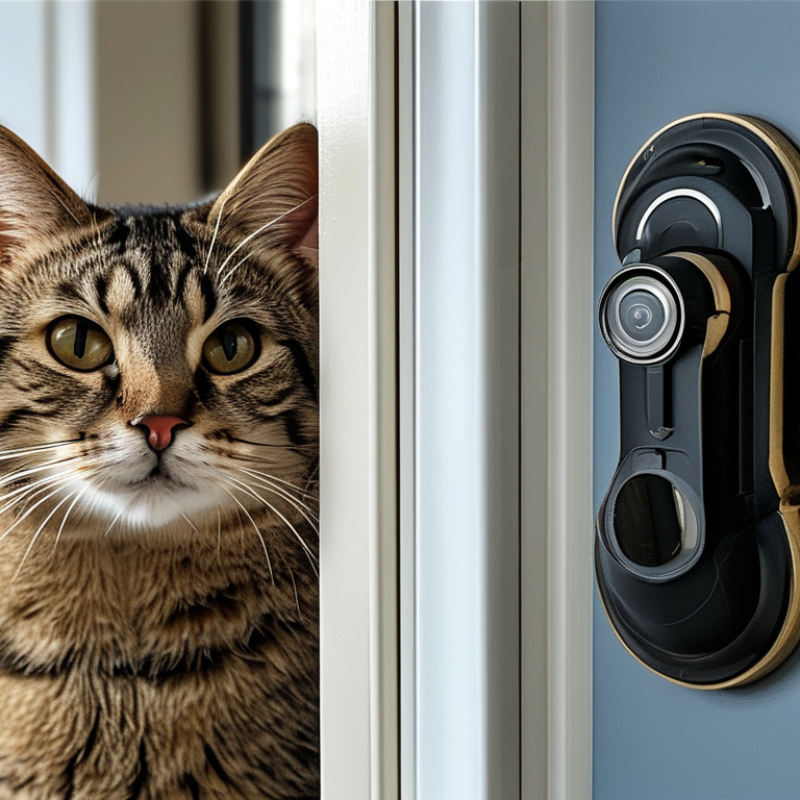
Hidden peephole cameras are small devices designed to be installed in or around traditional door peepholes. These cameras blend seamlessly into their surroundings. Their discreet nature makes them appealing for various monitoring needs. According to industry reports, the demand for hidden surveillance technologies increased by approximately 30% in recent years. This growth is driven by heightened security concerns in both residential and commercial sectors.
The functioning of a hidden peephole camera is straightforward. It typically includes a small lens that captures video footage in real time. Users can view this footage via mobile devices or computers. Many models now offer high-definition recording capabilities, with some boasting resolutions of up to 1080p. This clarity ensures that every detail is visible, helping to identify visitors easily. Yet, the ethical implications of using such devices raise important questions. How invasive is it to record without consent? Navigating this gray area requires careful consideration and respect for privacy.
Data from security research firms indicate that more than 50% of consumers express concerns about privacy invasion through hidden cameras. The balance between safety and personal privacy remains a significant challenge. Engaging in open dialogues about these issues is essential as technology continues to evolve. While the appeal of enhancing security is undeniable, it invites reflection on the societal impacts of pervasive surveillance.
Hidden peephole cameras have gained popularity for their discreet surveillance capabilities. With various types available, individuals can choose based on specific needs. These devices are often designed to resemble standard peepholes, blending seamlessly into doors. The most common types include wired, wireless, and battery-operated cameras. Each type has distinct features suited for different monitoring environments.
Wired cameras typically offer stable video feeds but require installation expertise. Wireless models allow for easy setup and flexibility. They can connect to smartphones or tablets for real-time viewing. Battery-operated options provide portability but require regular maintenance to ensure functionality. Despite their advantages, all types can present challenges, such as limited storage space and battery life.
When selecting a hidden peephole camera, consider factors like resolution and viewing angle. A higher resolution can make a significant difference in image clarity. It's essential to think through the implications of using such devices. Surveillance should be approached ethically, ensuring privacy and lawful use. The choice of camera will depend on personal needs and practical considerations.
Hidden peephole cameras are innovative devices designed to blend seamlessly into their surroundings. These cameras are typically small and can be placed inside a door's peephole, making them discreet. They capture high-quality video footage without drawing attention. The design allows them to operate unnoticed, providing a sense of security for some users.
These cameras often rely on motion detection technology. When someone approaches the door, the camera activates and records the activity. Many devices come equipped with night vision capabilities. This feature ensures visibility even in low-light conditions. Users can access the footage remotely via smartphones or computers. This connectivity enhances user experience but raises concerns about privacy and security.
The simplicity of use is both an advantage and a drawback. Some may forget they are being recorded. This can lead to ethical questions about consent and surveillance. While these devices serve protective purposes, they can be misused. Balancing safety and privacy remains a challenging issue in today's tech-driven world.
Hidden peephole cameras have gained popularity in various applications, primarily for security purposes. These discreet devices are often installed in doors to monitor who approaches a home or office without being detected. According to a recent industry report, the global market for security surveillance equipment is projected to grow at a CAGR of 10% through 2025, reflecting the increasing demand for privacy and safety solutions.
Common uses of hidden peephole cameras include residential security, child monitoring, and even workplace surveillance. Homeowners can utilize these cameras to enhance security by capturing footage of any suspicious activity outside their property. In workplaces, employers may deploy such cameras to ensure the safety of employees and reduce incidents of theft. A study suggested that surveillance systems can deter crime by up to 50%, emphasizing the effectiveness of these tools.
Tip: When considering a hidden peephole camera, ensure it offers high-resolution video quality and night vision capabilities. This feature is crucial for capturing clear images in low-light conditions.
Some drawbacks do exist. Users may face challenges related to privacy invasion concerns. It's vital to reflect on the ethical implications of surveillance in both personal and public spaces. Overall, hidden peephole cameras serve as practical tools, but their use should be balanced with respect for privacy.
When considering hidden peephole cameras, one must be aware of the legal and ethical implications surrounding their use. A 2023 report by the Electronic Privacy Information Center revealed that over 60% of individuals expressed concerns regarding privacy violations from surveillance devices. This indicates a growing demand for clear regulations.
Using hidden cameras without consent can lead to severe legal repercussions. In many jurisdictions, recording someone without their knowledge is illegal. Courts tend to favor privacy rights over surveillance interests. Yet, proponents argue that surveillance can enhance security. Balancing these interests is complex. Ethical use requires transparency and consent where possible.
Moreover, discussions around ethics are not straightforward. While some view these cameras as tools for protection, others see them as invasions of personal privacy. The lack of consensus highlights a need for ongoing dialogue on ethical standards. Communities should engage in this conversation to outline acceptable uses. In the end, cautious application of technology is crucial to ensure respect for personal privacy while promoting safety.
: They are small, discreet cameras designed to fit into traditional door peepholes.
They usually have a small lens that records video in real-time and uses motion detection technology.
Yes, users can view footage remotely via computers or smartphones, enhancing convenience.
They are often used for residential security, child monitoring, and workplace surveillance.
Yes, recording without consent raises privacy invasion issues that need careful consideration.
High-resolution video quality, preferably up to 1080p, is essential for clear images.
Many models come with night vision capabilities to capture footage in the dark.
Surveillance systems may reduce crime by up to 50%, according to some studies.
Users may forget they are being recorded, leading to privacy invasion concerns.
It's important to respect personal privacy while ensuring security, which requires reflection and dialogue.
A Hidden Peephole Camera is a discreet surveillance device that enables homeowners to monitor their entrances without being detected. These cameras come in various types, including those with motion detection and night vision capabilities, catering to different security needs. They function by capturing video footage through a peephole, often connecting to a smartphone or recording device for easy monitoring.
Common applications of Hidden Peephole Cameras include enhancing home security and monitoring visitors. However, their use raises important legal and ethical considerations, as unauthorized surveillance can infringe on privacy rights. Users should be aware of local laws regarding surveillance and ensure they use these devices responsibly and ethically to respect the privacy of others.
