 JingZhi Camera
JingZhi Camera
JingZhi Camera
In today's world, the use of a Hidden Tiny Camera is becoming increasingly common. These small devices offer convenience and discretion for various purposes. According to Dr. Sarah Thompson, an expert in surveillance technology, "Hidden Tiny Cameras provide a unique blend of accessibility and security."
These cameras typically function by recording video and audio without being easily detected. They can be battery-operated or plugged into a power source. Their compact size allows them to be concealed in everyday objects, making them ideal for personal security or monitoring. Despite the advantages, there are ethical concerns surrounding privacy and consent.
As technology evolves, so does the need for awareness about its implications. Users must consider how to balance security needs with the rights of others. The growing prevalence of Hidden Tiny Cameras demands a thoughtful approach to their use. Responsible ownership is key to ensuring they are employed ethically and effectively.
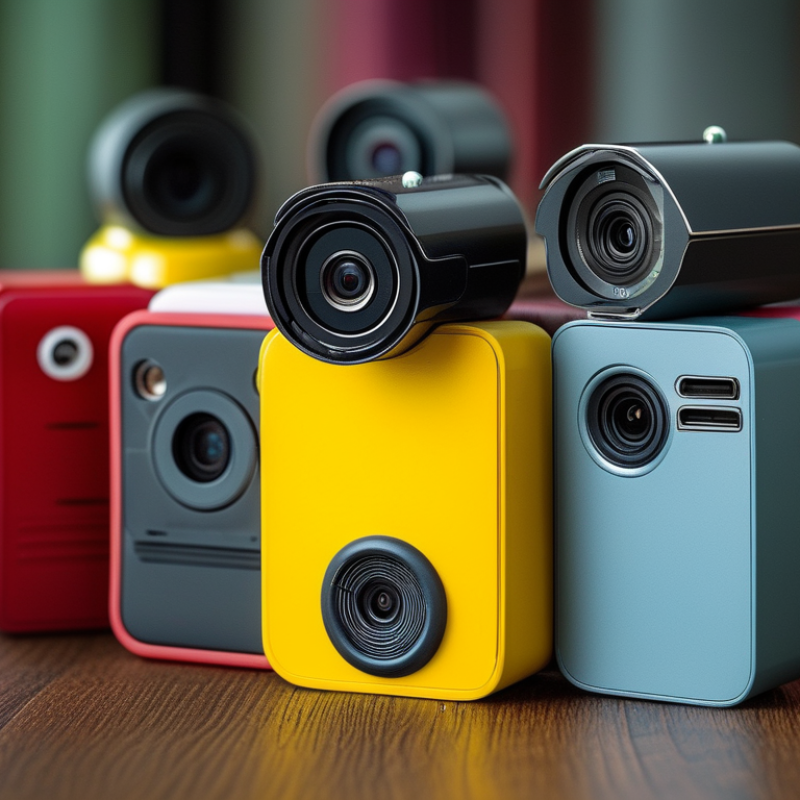
Hidden tiny cameras, often referred to as spy cameras, have gained popularity due to their discreet nature. These cameras are designed to capture visual information without drawing attention. They come in various shapes and sizes, fitting into everyday objects like smoke detectors, alarm clocks, or even picture frames. This versatility makes them appealing for a variety of uses, from home security to personal safety.
The functionality of hidden tiny cameras relies on advanced technology. Most of these cameras feature high-definition video recording capabilities. Some models even have night vision for low-light conditions. They can be equipped with motion sensors, allowing them to record only when movement is detected. However, using these cameras raises ethical questions. While they can enhance security, their covert use can infringe on privacy. Users must reflect on the implications of monitoring others without consent.
Additionally, the reliability of hidden cameras can vary significantly. Some may offer excellent video quality, while others might have issues with battery life or storage capacity. It’s important to research and understand the specifications before making a purchase. The balance between functionality and respect for privacy should always be considered when using such technology.
| Feature | Description |
|---|---|
| Size | Typically less than 2 inches, easily concealed in everyday objects. |
| Video Quality | Can range from 720p to 1080p high definition. |
| Recording Modes | Continuous recording, motion detection, and scheduled recording options. |
| Power Source | Battery-operated or USB rechargeable, some models can work while plugged in. |
| Storage | Usually supports microSD cards, ranging from 8GB to 128GB or more. |
| Connectivity | Wi-Fi enabled models allow for remote viewing via smartphone apps. |
| Use Cases | Home security, personal safety, and surveillance purposes. |
| Privacy Considerations | Ethical implications and legality vary by region; consent may be required. |
: Hidden tiny cameras are compact devices designed to capture video discreetly. They blend into everyday objects for surveillance.
These cameras use advanced technology for high-definition recording. Some have night vision and motion sensors for efficient monitoring.
Yes, recording without consent may be illegal. Users should be aware of privacy rights to avoid serious consequences.
Hidden cameras can invade privacy, leading to distrust in relationships. Users must consider the necessity before deployment.
Yes, some hidden cameras provide excellent video quality, while others may have issues like poor battery life or limited storage.
Research specifications carefully. Understand functionality and weigh it against the potential privacy implications of use.
Covert surveillance can create paranoia and erode trust. Reflect on the effect it may have on those you monitor.
Using one may be acceptable in specific situations, but consider less intrusive options. Balance safety with respect for privacy.
A Hidden Tiny Camera is a discreet surveillance device designed to record video or capture images without drawing attention. These cameras have evolved over the years, from bulky units to compact devices that can be easily concealed in various environments. Their functioning relies on advanced technologies, including miniature lenses and built-in digital storage, allowing them to operate effectively while remaining unnoticed.
Hidden Tiny Cameras find applications across numerous fields, including security, law enforcement, and personal safety. They are often used for monitoring purposes, providing a means to gather evidence or enhance security measures. However, the use of these cameras raises significant legal and ethical considerations, as their deployment can infringe on privacy rights. Awareness and adherence to relevant regulations are essential for responsible usage of Hidden Tiny Cameras.
