In today's volatile world, ensuring safety and security is paramount. Many individuals seek innovative ways to protect their properties and loved ones. One effective solution is the use of a Hidden Wall Camera. This discreet surveillance tool can provide peace of mind without attracting attention. However, using these devices requires knowledge and caution.
Understanding the nuances of Hidden Wall Cameras is essential for effective monitoring. Selecting the right model, adjusting the angle, and knowing the ideal installation spots can make a significant difference. It’s also important to consider potential risks and ethical implications related to privacy. While the goal is to increase security, one must reflect on how surveillance affects personal freedoms.
Crafting a secure environment with Hidden Wall Cameras involves more than just installation. Regular checks, updates, and evaluations of the system are necessary to ensure optimal performance. Careful planning will help to avoid common pitfalls, such as poor placement or low-quality footage. This attention to detail enhances reliability, making your hidden camera a valuable ally in maintaining safety.
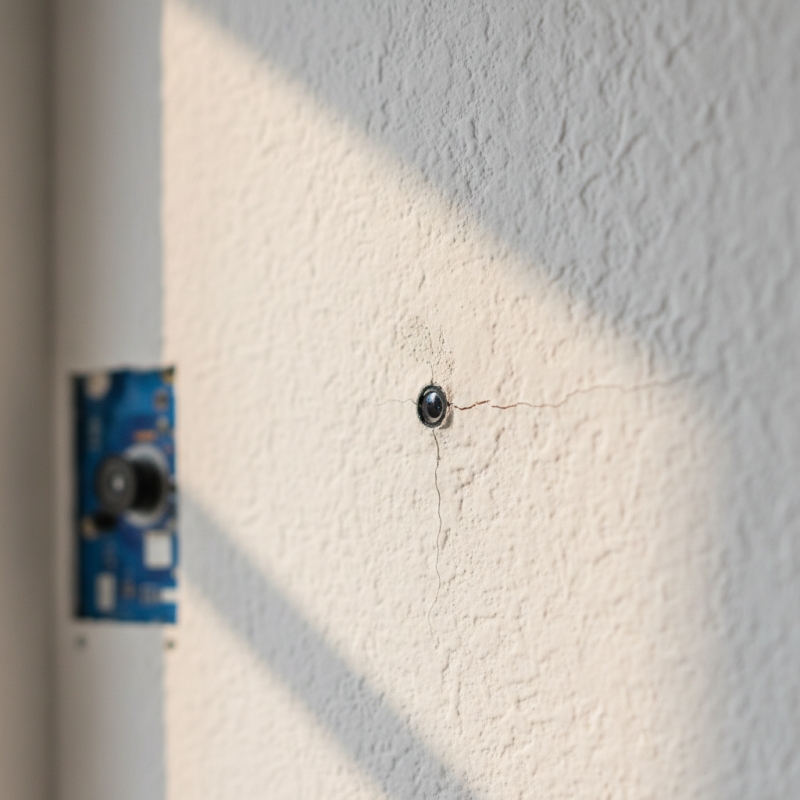
Understanding the Types of Hidden Wall Cameras for Monitoring Needs
When considering hidden wall cameras, it is crucial to understand the different types that exist. There are various models tailored for specific monitoring needs. Some cameras resemble everyday objects, blending seamlessly into a home or office environment. Others are designed for easy installation within walls, making them less detectable. According to industry reports, nearly 70% of people feel safer when they know surveillance is present, even if they are unaware of the exact location of the cameras.
Wireless hidden wall cameras have gained popularity due to their flexibility and ease of use. They eliminate the hassle of complicated wiring, allowing for discreet placements. Recent studies show that 58% of users prefer wireless systems for their efficiency. Conversely, wired options often provide more stable connections and higher-quality video feeds. However, installation can be more challenging and less adaptable to changing environments, which may lead to dissatisfaction among users seeking flexibility.
While choosing a hidden camera, users must reflect on their specific needs. Factors such as resolution, connectivity, and storage options play a significant role in effectiveness. Surprisingly, only 43% of users fully understand these specifications, leading to less optimal camera choices. It's essential to analyze personal requirements before purchasing. Ignoring these details can result in frustration, as the camera may not fulfill its intended purpose.
Legal Considerations When Using Hidden Wall Cameras for Surveillance
When considering the use of hidden wall cameras for surveillance, legal aspects are crucial. Laws vary by location. Always research local regulations. Some areas require consent, while others do not. Failing to understand these laws can lead to serious consequences. It's essential to prioritize privacy rights.
Installing hidden cameras ethically can provide peace of mind. However, consider your reasons. Are you protecting valuable property or monitoring a caregiver? Ensure that the intent is lawful and justified. Surveillance should never infringe upon someone's reasonable expectation of privacy.
Tips for using hidden cameras include positioning them strategically. Place them in common areas rather than private spaces. Keep recordings secure and limit access to authorized individuals only. Regularly evaluate the need for surveillance. Are your concerns still valid? Unnecessary monitoring can lead to mistrust and ethical dilemmas. Always remain aware of the fine line between protection and invasion.
Hidden Wall Camera Usage Statistics
Optimal Placement Strategies for Effective and Discreet Monitoring
When considering optimal placement for hidden wall cameras, discretion is key. Positioning is crucial for effective monitoring without drawing attention. According to a 2020 report by the Security Industry Association, 80% of successful surveillance efforts rely on strategic camera placement. This emphasizes the need for thoughtful positioning within various environments.
Placing cameras in high-traffic areas, such as hallways or entry points, boosts visibility while remaining discreet. However, avoid direct sightlines. This tactic reduces the risk of detection while maximizing coverage. Many opt for corners, where walls converge. It’s less noticeable and offers a wider field of view. Another effective strategy is using mirrors. They can redirect attention away from camera angles.
Reflecting on the importance of testing placements is essential. Not every position is perfect. Lighting changes and movement patterns impact effectiveness. Regularly reviewing footage can reveal blind spots or areas of improvement. A 2021 study in the Journal of Surveillance Technology found that 60% of surveillance setups had misplaced cameras. Consider adaptability in your approach; place and adjust as needed for optimal results.
Hidden Wall Camera Tips for Secure and Discreet Monitoring
| Location |
Camera Type |
Optimal Height |
Angle of View |
Security Level |
| Living Room |
Wall-mounted |
8-10 ft |
Wide Angle (110°) |
Medium |
| Entrance |
Covert |
7-8 ft |
Narrow Angle (70°) |
High |
| Hallway |
Corner-mounted |
6-8 ft |
Wide Angle (90°) |
Medium |
| Office |
Mini |
5-7 ft |
Standard Angle (85°) |
Medium |
| Garage |
Hidden |
8-10 ft |
Wide Angle (100°) |
High |
Key Features to Look for in a Hidden Wall Camera for Security Purposes
When choosing a hidden wall camera, certain key features are crucial for effective security monitoring. Look for devices with high-resolution video. Clear footage can make a difference when identifying intruders or suspicious activity. A camera with at least 1080p resolution ensures you capture every detail. Night vision capability is also essential for low-light situations. This feature allows you to monitor areas even in total darkness.
Consider the camera's field of view. A wide-angle lens will cover more area, reducing blind spots in your surveillance. Compact design is equally important. Cameras that blend seamlessly into walls or decor go unnoticed, enabling discreet monitoring. However, be aware that some cameras may have limited recording time. This could leave you missing critical moments.
Another aspect to reflect on is connectivity. Look for options that support remote viewing through apps. This allows you to check your property in real-time. Keep in mind that wireless cameras can be susceptible to interference. Regular testing of your system ensures it remains reliable. It’s wise to balance features with your specific needs, avoiding models with unnecessary extras.
Best Practices for Maintaining Privacy While Using Hidden Surveillance Devices
When using hidden surveillance devices, maintaining privacy is paramount. According to a study by the Electronic Frontier Foundation, 62% of adults are concerned about their privacy in environments where cameras are present. This concern highlights the importance of ethical considerations while monitoring. Ensuring that the intent of monitoring aligns with legal and moral standards can help alleviate fears related to invasion of privacy.
Select discreet locations for camera placement to minimize visibility. Effective monitoring is not solely about capturing footage; it also involves respecting the individuals being observed. Research indicates that transparent communication about surveillance practices can enhance trust, resulting in a more secure environment. If individuals are unaware of surveillance, it can lead to feelings of mistrust. In addition, regularly assessing the footage storage can mitigate risks associated with data breaches. Unchecked data can create vulnerabilities, pushing privacy concerns even further.
Remain vigilant about the ethical use of collected footage. Maintaining a log of when and how footage is reviewed promotes accountability. However, this practice may not cover all bases, as monitoring habits can sometimes lead to unintended bias. At times, the temptation to monitor without restraint can surface, necessitating regular reflection on intentions and practices. Cultivating an approach grounded in respect and openness ensures that surveillance remains a tool for safety, not a vessel for control.
Conclusion
Hidden wall cameras offer a discreet solution for monitoring various environments, whether for security, safety, or surveillance. Understanding the types of hidden wall cameras available is crucial in meeting specific monitoring needs. Legal considerations also play a significant role in ensuring compliance with privacy laws. Proper placement strategies are essential for both effectiveness and discretion, allowing for comprehensive monitoring without drawing attention.
When selecting a hidden wall camera, look for key features such as resolution, motion detection, and storage options that enhance security capabilities. Additionally, maintaining privacy while using these surveillance devices is vital; adopting best practices can help balance effective monitoring with respect for individuals’ rights. By following these guidelines, users can effectively utilize hidden wall cameras to ensure secure and discreet observation.
 JingZhi Camera
