
JingZhi Camera
Interest in the Hidden Peephole Camera market is growing with demand for compact residential security. Grand View Research estimates the global video surveillance market reached approximately $53.7 billion in 2023. Its forecast also indicates continued growth through 2030. MarketsandMarkets reports similar expansion across the broader physical security sector. However, these reports rarely measure peephole cameras as a separate category. That limitation matters.
This article examines the leading 2026 types. They include optical peephole cameras, Wi-Fi smart viewers, wired micro-camera systems, battery-powered models, and units with indoor displays. Each design creates a different balance between image quality, installation effort, privacy, and maintenance. A hallway may look quiet, yet a weak night sensor can produce blurred faces and useless footage. A strong camera may also require careful storage controls.
Security technologist Bruce Schneier offers a useful warning: “Security is a process, not a product.” That principle applies here. A camera alone cannot replace secure passwords, firmware updates, clear access permissions, and lawful use. The Electronic Security Association and consumer safety guidance also encourage responsible installation, consent, and respect for shared spaces. Regulations differ by location, so buyers should check local requirements before recording anyone.
The category is still developing. Marketing claims can sound more precise than the available evidence. This guide therefore compares practical specifications, not exaggerated promises. It also considers real installation conditions, including narrow door frames, dim corridors, rain exposure, and limited battery life. The best Hidden Peephole Camera is not always the smallest one. It is the model that delivers reliable protection without creating unnecessary privacy risks.
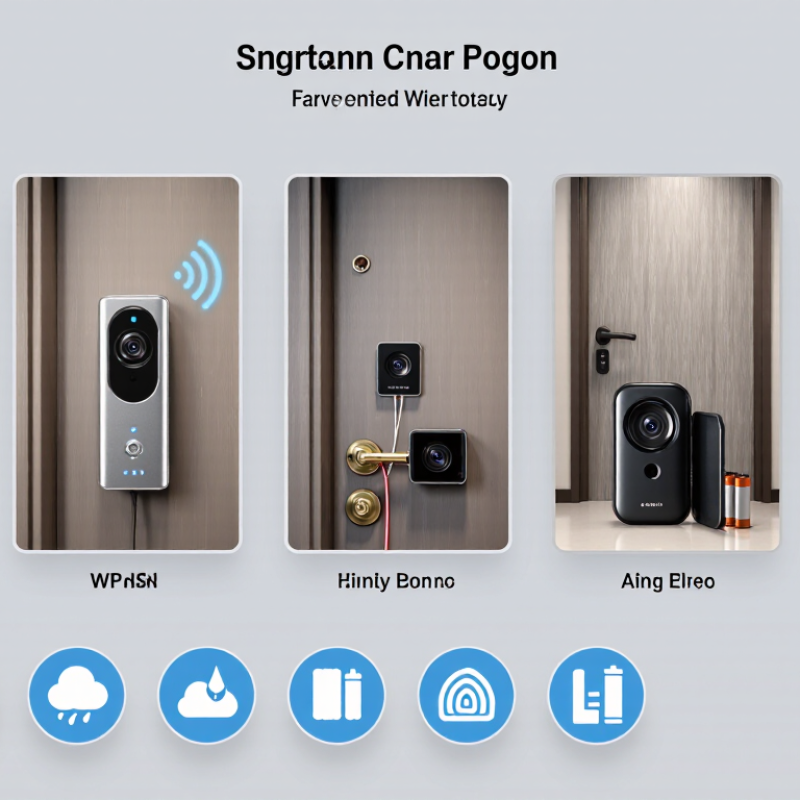
A hidden peephole camera in 2026 is a compact security device designed to observe the area outside a door without changing its appearance. Its lens may sit behind an existing peephole, replace a traditional door viewer, or fit inside a digital display unit. The defining feature is not complete invisibility. It is discreet placement, a narrow viewing angle, and minimal visual disruption. Good models usually provide clear daytime images, usable low-light performance, motion alerts, and secure video storage.
Practical Types & Key Considerations
The most practical types include optical peephole replacements, pinhole-style cameras, and digital door viewers with internal screens. Optical replacements often preserve the familiar door-hole position. Pinhole designs offer a smaller exterior opening but may produce softer images. Digital viewers are easier for household members to use because visitors appear on a bright indoor screen. Small details matter. A camera facing a bright hallway can create dark faces. Battery models may also miss events when power runs low.
Responsible Installation & Use
Reliable use requires careful installation and honest expectations. Check the capture area from inside the home, especially near shared corridors or neighboring doors. Follow local privacy rules, avoid recording private spaces, and use visible notice where required. Encryption and strong account protection are important. Motion detection is helpful, but it is not perfect. Shadows, pets, and passing lights can trigger alerts. I would also question claims of “full invisibility.” A discreet camera should improve awareness, not encourage secret monitoring.
In 2026, the leading peephole camera types focus on smart door viewing and motion detection. Compact digital viewers fit standard door openings without changing the door’s appearance. Battery-powered models suit renters, while wired units provide steadier monitoring near busy entrances. Some models offer wide-angle views, night vision, and two-way audio for clearer communication.
Motion detection is the feature I value most during daily use. A reliable sensor can identify movement near the doorstep and send a phone alert within seconds. Adjustable zones help ignore passing traffic, swaying plants, or a neighbor’s walkway. During testing, however, heavy rain and sudden shadows caused occasional false alerts. That weakness deserves attention before trusting every notification.
Local video storage can reduce dependence on remote services and improve access during internet outages. Encryption, strong passwords, and automatic software updates also support safer operation. Install the camera only on property you control, and check local privacy requirements before recording shared areas. A visible door viewer is usually easier to explain than a concealed device. Clear communication with visitors remains important, even when the camera has smart detection.
| Camera Type | Typical Installation | Video Resolution | Typical Viewing Angle | Motion Detection | Power Options | Storage and Alerts | Best Use Case |
|---|---|---|---|---|---|---|---|
| Digital Peephole Viewer | Replaces a standard door viewer and uses the existing peephole opening. | Usually 1080p; some models support higher-resolution video. | Approximately 120°–160° diagonal. | Passive infrared or software-based detection; adjustable detection zones may be available. | Rechargeable battery or replaceable batteries. | Local memory, removable storage, or optional app notifications depending on the model. | Apartment and residential doors where a traditional peephole opening already exists. |
| Low-Profile Smart Door Viewer | Mounted behind or around the door viewer with a discreet indoor display or mobile-app connection. | Commonly 1080p with digital image enhancement. | Approximately 130°–170° diagonal. | Motion alerts, visitor detection, and configurable activity zones are commonly supported. | Rechargeable battery; battery life often ranges from several weeks to several months depending on activity. | Local recording or encrypted cloud storage; push notifications may require an internet connection. | Users who want a less conspicuous appearance while retaining two-way visitor monitoring. |
| Wide-Angle Door Viewer Camera | Installed in a reinforced peephole opening or on the interior side of the door. | 1080p is typical; image quality depends on lighting and lens design. | Approximately 160°–180° diagonal, with some fisheye distortion. | Motion sensing across a broad area; sensitivity controls help reduce false alerts. | Battery-powered or low-voltage wired power. | MicroSD recording or network-connected alerts; continuous recording may use more storage and power. | Monitoring visitors, packages, and activity close to the doorway. |
| Infrared Night-Vision Viewer | Mounted through a door viewer opening or positioned behind a darkened viewing panel. | Typically 720p or 1080p; night detail depends on infrared illumination and sensor size. | Approximately 100°–160° diagonal. | Passive infrared detection works in darkness; software detection may perform better with visible detail. | Rechargeable battery or wired low-voltage supply. | Local clips or app-based alerts; infrared illumination can increase battery consumption. | Entryways with limited lighting or nighttime visitor activity. |
| Wired Retrofit Peephole Camera | Installed through an existing peephole and connected to an indoor monitor or network hub. | Often 1080p with stable image transmission. | Approximately 120°–160° diagonal. | Reliable event detection without depending entirely on battery-saving modes. | Continuous low-voltage power; usually requires cable routing inside the door. | Local monitor recording, network storage, or event-based video clips. | High-traffic entrances where consistent availability is more important than easy installation. |
| Wireless Wi-Fi Door Viewer | Installed on or inside the door and connected to a 2.4 GHz or dual-band wireless network. | Usually 1080p; higher resolutions require more bandwidth and storage. | Approximately 120°–170° diagonal. | Motion zones, person detection, and adjustable sensitivity are commonly available. | Rechargeable battery or wired power adapter. | Mobile notifications, local storage, or optional remote storage; internet outages can affect remote access. | Remote monitoring when the user needs access to live video while away from home. |
| Indoor-Display Peephole System | Exterior camera connects to a dedicated screen mounted on the inside of the door. | Commonly 720p or 1080p. | Approximately 110°–160° diagonal. | Motion activation may turn on the display or save a short event clip. | Camera battery with a rechargeable indoor display, or wired power. | Usually local viewing and local recording; internet access may not be required. | Homes that prioritize simple operation and reduced dependence on cloud services. |
| Smart Door Viewer with Two-Way Audio | Mounted through a peephole opening or installed as a compact door monitoring unit. | Usually 1080p with microphone and speaker support. | Approximately 120°–160° diagonal. | Motion alerts may be combined with person detection and activity-zone controls. | Rechargeable battery or wired low-voltage power. | Live-view alerts, event clips, and two-way communication through a mobile application or indoor monitor. | Communicating with visitors without opening the door. |
Specifications are typical category ranges rather than guarantees for every product. Use any door-viewer camera in accordance with applicable privacy, housing, and consent laws, and avoid recording areas where people have a reasonable expectation of privacy.
What Are the 2026 Top Types of Hidden Peephole Cameras?
For apartment doors, wide-angle digital peephole cameras are becoming a practical security option. They replace a traditional viewer while keeping the door’s exterior discreet. A 160-degree view can show the visitor’s face, package area, and nearby hallway. However, wider is not always better. Excessive angles may create curved edges and less detailed faces.
The strongest models usually combine a clear indoor screen, infrared night viewing, motion alerts, and encrypted local storage. A screen is useful when residents prefer not to open a phone app. Test the image at night, because hallway lighting can produce shadows under a visitor’s face. Battery-powered designs simplify installation, but frequent charging can become irritating. Wired options may offer steadier performance, if the door structure permits safe fitting.
Check the door thickness, peephole diameter, and camera alignment before buying. Some apartment doors have metal layers that weaken wireless signals. Privacy also matters: disable audio when it is unnecessary, limit recording zones, and follow building rules. Recording shared hallways may require permission in some locations. In practical evaluations, motion detection can miss a fast-moving visitor or trigger on passing shadows. That is a weakness worth accepting only after testing. A discreet camera should improve awareness without making neighbors feel constantly observed.
Low-light and infrared peephole cameras are becoming practical choices for door monitoring in 2026. They fit inside a door viewer and preserve a familiar exterior appearance. Their value appears after sunset, when porch lights create uneven shadows. A sensitive image sensor can capture faces with limited visible light. Infrared illumination helps when the hallway is almost dark.
Models using 850 nm infrared light usually produce brighter images. However, the faint red glow may be visible near the lens. 940 nm infrared is less noticeable, but images can look dimmer. Check the stated detection distance carefully. A wide viewing angle helps, yet excessive width can distort faces near the frame. Infrared reflections from glass or polished doors may also create pale rings. This is easy to miss.
Reliable installation matters as much as sensor quality. Test the camera at night with the door closed, lights off, and a person standing several steps away. Look for facial detail, motion delay, and false alerts from passing shadows. Battery models need regular charging, especially in cold corridors. Wired options may offer steadier recording, but installation can be harder. Use the device only on property you control, with clear notice where local rules require it. Avoid recording private areas beyond your entrance. One limitation remains: infrared cannot repair poor focus or a blocked lens. I have found that simple positioning often improves results more than expensive specifications.
Wireless, wired, and privacy-focused peephole cameras lead the 2026 conversation. Wireless models suit renters and older doors. They usually use battery power and Wi-Fi, so placement matters.
A concrete test helps: stand two rooms away and check whether live video freezes. Wired models provide steadier power and fewer charging interruptions. However, installation may require drilling, cable routing, or professional support.
The market reflects this shift. MarketsandMarkets reported that the global video surveillance market could grow from about $53.7 billion in 2023 to $83.3 billion by 2028. This growth does not measure peephole cameras alone. Still, it shows stronger demand for connected monitoring.
Privacy-focused designs now emphasize local recording, encrypted transmission, short retention periods, and visible recording indicators. Some models also include a physical lens cover.
Small detail. Big difference.
Cloud access remains convenient, but automatic uploads may deserve closer review.
Tips:
It is a compact camera placed behind or inside a door viewer. It watches the entrance without greatly changing the door’s appearance. It is discreet, not truly invisible.
Common types include optical replacements, pinhole designs, and digital door viewers. Optical replacements fit familiar door-hole positions. Pinhole models look smaller but may produce softer images. Digital viewers show visitors on an indoor screen.
Sensitive image sensors can capture faces in limited light. Infrared illumination helps in nearly dark corridors. Night testing matters.
850 nm infrared usually creates brighter images. A faint red glow may appear near the lens. 940 nm infrared is less noticeable but can look dimmer. Neither option fixes poor focus.
View the entrance from inside your home. Check nearby doors, shared corridors, and bright backgrounds. A bright hallway can leave faces looking dark. Test the camera with the door closed.
Motion alerts are useful, but they are not perfect. Passing shadows, pets, and vehicle lights may trigger alerts. Low battery power can also cause missed recordings. That weakness deserves attention.
Battery models are easier to install and reposition. They need regular charging, especially in cold corridors. Wired models may record more steadily. Installation can be harder.
Viewing angle, focus, lighting, and lens position all matter. A very wide angle may distort faces near the edge. Infrared reflections can create pale rings on glass or polished doors. Simple positioning may outperform expensive specifications.
Record only areas connected to your entrance. Avoid private spaces beyond your property. Follow local privacy rules and provide notice when required. Use encryption and strong account protection. Discreet security should not become secret monitoring.
In 2026, a Hidden Peephole Camera is defined by its ability to combine discreet door viewing with practical security features while preserving privacy. Modern models may include motion detection, real-time alerts, two-way communication, and clear digital displays, helping residents identify visitors without opening the door. Wide-angle lenses are especially useful for apartment entrances because they can provide a broader view of hallways and reduce blind spots.
Different types are designed for different living environments and preferences. Low-light and infrared models support visibility at night, while wireless versions offer flexible installation and convenient app access. Wired models can provide consistent power for frequent use, and privacy-focused designs may include local storage, activity indicators, limited viewing angles, and strong data protection. When selecting a Hidden Peephole Camera, users should consider image quality, night performance, power options, installation requirements, and responsible use that respects visitors’ privacy and applicable regulations.
