 JingZhi Camera
JingZhi Camera
JingZhi Camera
Explore our elite range of hardware integration-ready concealed cameras. Optimized for covert deployment, commercial loss prevention, and personal security.

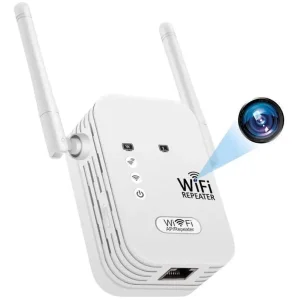
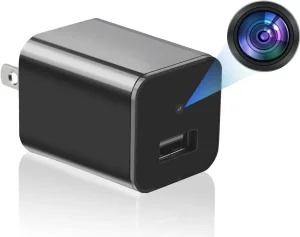
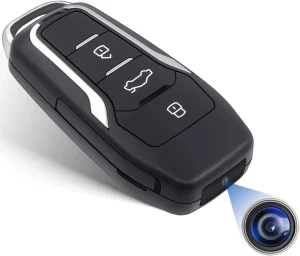
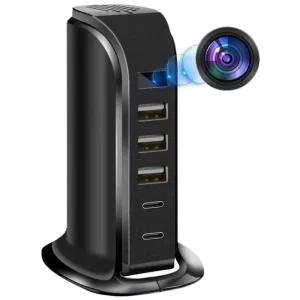
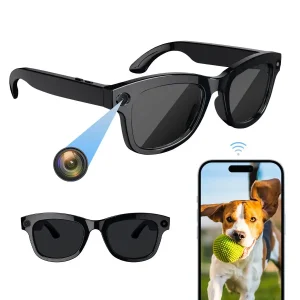
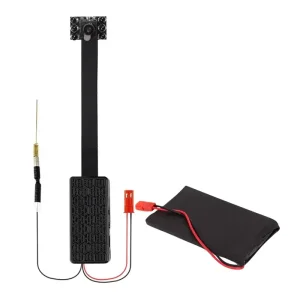
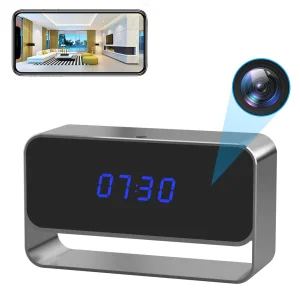
Deciphering the evolution, architecture, and regulatory landscape of concealed imaging technology in global markets.
In an era of complex security threats and high-stakes asset protection, traditional visible CCTV networks are no longer sufficient. Visible security systems are susceptible to evasion, physical tampering, and vandalism. Modern enterprises, government agencies, and loss prevention departments increasingly rely on Concealed Security Cameras to monitor sensitive environments without disrupting operations or alerting hostile elements.
From corporate boardrooms to distributed retail chains, disguised form factors integrated into daily objects (such as USB chargers, clock interfaces, and network appliances) offer a reliable secondary layer of truth. This whitepaper analyzes the underlying optical engineering, the challenges of low-illumination performance behind tinted pinholes, the integration of edge computing capabilities (such as AI translation and real-time detection), and the legal framework necessary for deployment.
Procurement paradigms for corporate security devices have shifted from simple commodity sourcing to strict engineering-based specifications. Enterprise buyers do not merely buy cameras; they purchase reliable data links, physical security, and legal conformity. Key drivers in global enterprise procurement include:
Supermarkets, high-end retail brands, and luxury hotels use disguised surveillance tools to investigate internal theft, vendor fraud, and operational leaks where standard cameras fail to capture covert actions.
R&D facilities, automotive design labs, and pharmaceutical research centers utilize concealed cameras to prevent intellectual property theft, unauthorized entries, and the unauthorized physical copy of documentation.
Monitoring heavy automated processes without distracting human operators is a critical safety parameter. Small footprint concealed modules record hazardous areas without introducing safety hazards or distracting equipment.
Concealed cameras disguised as keychains or portable tools are integrated into cargo monitoring practices to provide end-to-end evidence chains during high-value product shipments.
Designing a camera hidden inside everyday hardware like dual wall sockets, power adapters, or alarm clocks presents challenges in optical physics and engineering. Standard cameras rely on large lenses to capture light, but concealed cameras must maintain image clarity through pinholes as small as 1.0mm to 1.5mm.
Pinhole lenses require high-performance glass optics (frequently 3G2P or 4G designs) and high-sensitivity CMOS sensors (such as Sony STARVIS series) to compensate for the limited light entry. To prevent visible reflections, the lens is coated with anti-reflective materials and concealed behind semi-transparent, tinted infrared acrylic sheets. This design allows infrared light (usually 940nm, invisible to the human eye) to pass through without revealing the camera lens.
Enclosing a Wi-Fi-enabled SoC (System-on-Chip) and power management unit inside a small, sealed casing (like a USB charger or a wall router) creates heat build-up. Without mitigation, this heat degraded image quality (sensor noise) and reduced the device's lifespan. At JZ, we design using thermal interface materials (TIMs), internal metal heat sinks, and ventilation paths that blend with the product design. This keeps the camera casing temperature below 45°C during continuous operation.
| Feature Spec | OEM Concealed Camera Standards | Consumer Off-the-Shelf Standards | Strategic Value to Enterprise Buyers |
|---|---|---|---|
| Optical Sensor | 1/2.8" Low-Light CMOS (Starvis class) | 1/4" Standard CMOS | Clearer image capture in low-light environments. |
| IR Wavelength | 940nm (Fully Invisible No-Glow) | 850nm (Visible Red Glow) | Maintains complete stealth in dark environments. |
| Enclosure Design | Dynamic Thermal Dissipation, Multi-Layer PCB | Single-Board, Standard Plastic housing | Ensures stable, continuous operation for critical security. |
| Wireless Protection | WPA3 Enterprise, HTTPS Stream Encryption | WPA2 Basic, Unencrypted Stream | Secures video feeds from sniffing and unauthorized access. |
Operating in international markets requires compliance with local laws. Because covert cameras process sensitive visual data, manufacturers and distributors must follow regional safety, wireless, and privacy regulations.
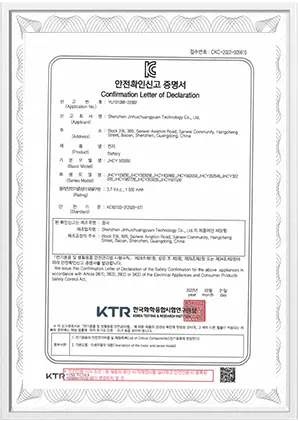
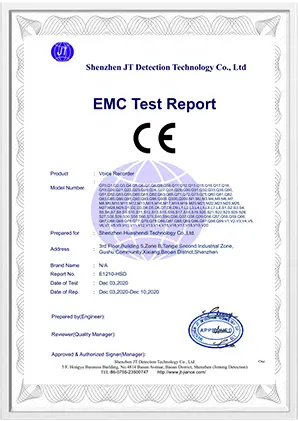
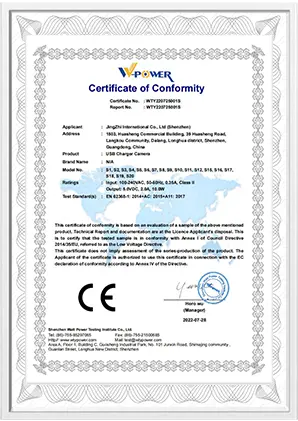
JingZhi International Electronics (JZ) prioritizes regulatory compliance. Our products carry CE, FCC, and RoHS certifications to verify safety and environmental friendliness. We advise our corporate clients on legal installation strategies. This includes respecting two-party consent laws for audio recording and ensuring hidden cameras are installed only in public or work areas where there is no reasonable expectation of privacy, avoiding locations like restrooms and dressing rooms.
An innovative, high-tech enterprise focusing on research, development, and manufacturing of professional audio and video equipment.
Founded in 2020 and headquartered in the tech capital of Shenzhen, China, with our international sales arm (JingZhi International Electronics Co., Limited) based in Kowloon, Hong Kong. Globally referred to as "JZ", we have established ourselves as a trusted B2B manufacturer supplying developed markets across 100+ countries, including the European Union (Germany, France, Spain, Italy, Poland, UK), North America (USA, Canada, Mexico), and South America (Brazil, Chile).
Our core mission is to bridge technical innovation and professional manufacturing. We provide customizable OEM/ODM services to support unique casing designs, PCB engineering, and firmware customizations. We build mutual growth on the foundation of "Heart to Sunshine, Everything to Prosperity".



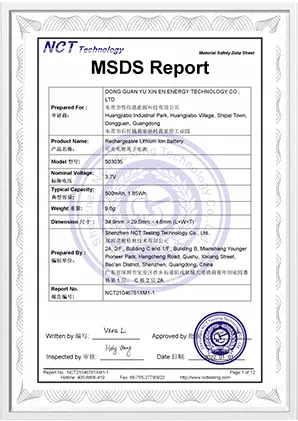
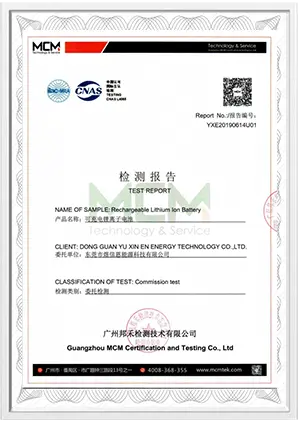
JZ products are certified to meet safety and environmental standards worldwide, allowing smooth import and distribution.


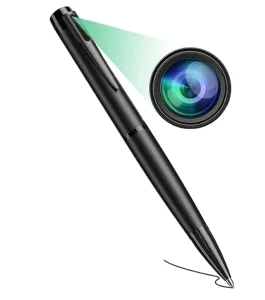
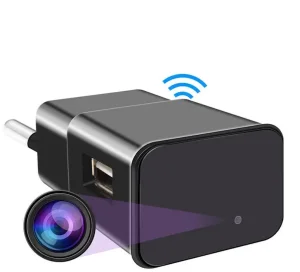
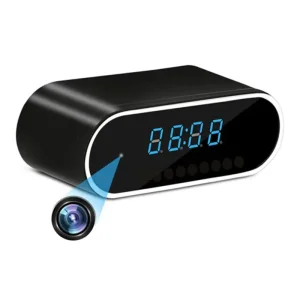
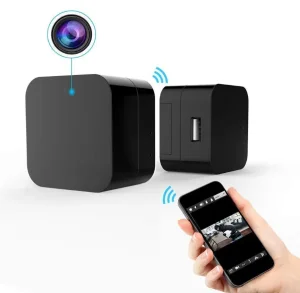
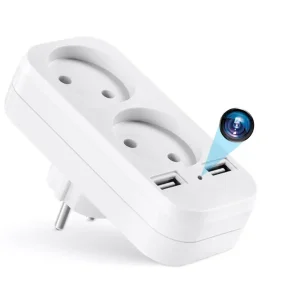
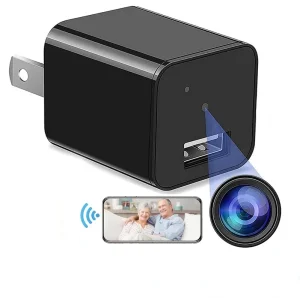
Professional concealed hardware options. Retaining high-performance optics, durable enclosures, and stable network connectivity.
Answers to technical, regulatory, and logistics questions from professional buyers and importers.
For standard OEM projects (using existing housings with custom branding or firmware modifications), production lead times typically range from 15 to 25 working days. For complete ODM engineering projects—including custom 3D housing design, tooling, and new PCB fabrication—the development cycle is usually 45 to 60 days from design sign-off to first trial run.
JZ designs and manufactures specialized multi-layer PCBs that separate RF (Radio Frequency) paths from power lines. In products like routers, signal boosters, and multi-port chargers, we utilize high-gain ceramic antennas and RF shielding cans to prevent interference from internal electrical components, ensuring stable network performance.
Yes, our cameras are hardware-compliant. They support features like secure local storage on encrypted MicroSD cards, RTSP encryption, and local peer-to-peer (P2P) connections that can be configured to restrict external cloud streaming. Importers and installers are responsible for configuring the software features and deploying the cameras in accordance with local data protection laws.
We use high-power 940nm infrared LEDs. Unlike standard 850nm LEDs, which glow red when active, 940nm light is invisible to the human eye. The IR light passes through custom dark acrylic panels, illuminating the area for the camera without revealing the lens location.
Yes. We offer complete custom branding services, including personalized Android/iOS mobile applications, customized control software, cloud server integration (AWS, Azure), and custom startup screens for the device firmware.