 JingZhi Camera
JingZhi Camera
JingZhi Camera
Explore our primary portfolio of smart mini-cameras and surveillance devices designed for administrative, hotel, and residential security installations across South Tarawa, Betio, and Kiritimati.
Kiribati, comprising 32 atolls and one raised coral island spanning across 3.5 million square kilometers of the central Pacific Ocean, experiences unique environmental and infrastructure conditions. The geographic isolation, combined with a highly saline marine atmosphere, severe equatorial solar exposure, and limited municipal power grids, presents significant challenges for traditional surveillance systems.
For operations based in urban centers like South Tarawa, Betio, or remote regions like Kiritimati (Christmas Island), power reliability is a key factor. Deploying standard wired security networks requires expensive trenching and wiring, which are susceptible to corrosion and failure. Our industrial-grade solar-powered outdoor security systems offer a reliable solution, providing autonomous performance without reliance on unstable local grids.
By leveraging advanced photovoltaic panels, low-power system architecture, and specialized anti-corrosion materials, we deliver security systems tailored to the Pacific climate. These units function as self-sufficient units, collecting solar energy during the day and utilizing high-capacity battery systems for continuous night monitoring.
Our systems are engineered to withstand salinity, humidity, and typhoons, ensuring continuous uptime where standard hardware fails.
The global security landscape is shifting towards green energy, edge computing, and AI-enabled vision. In industrial sites, mining operations, forestry, and border security, solar cameras have evolved from simple backup solutions into primary surveillance systems. According to recent market analysis, the transition is driven by three main factors:
Industrial projects worldwide are adopting solar-powered cameras to meet ESG objectives, lowering the operational carbon footprint of security infrastructure.
Modern processors allow target classification (human/vehicle) directly on the camera. This reduces data transmission, saving cellular bandwidth in remote zones.
Lithium Iron Phosphate (LiFePO4) chemistry supports thousands of charge cycles and is highly stable at high temperatures, replacing older lead-acid batteries.
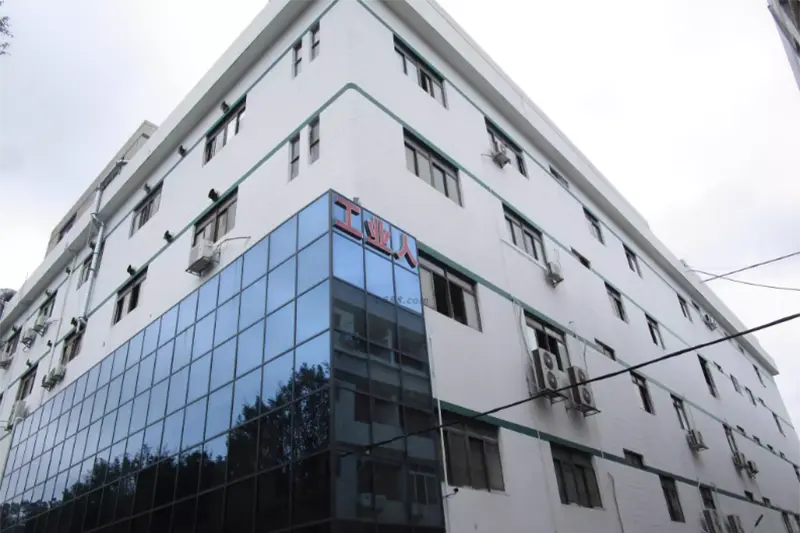
Founded in 2020 and headquartered in Shenzhen, China, with our sales entity (JingZhi International Electronics Co., Limited) operating from Kowloon, Hong Kong, JZ is a high-tech manufacturer specializing in the research, development, and production of audio and video equipment.
Our state-of-the-art 1,500m² manufacturing facility is equipped with high-speed SMT assembly lines, climate-controlled testing areas, and environmental aging chambers. Our R&D team consists of over 20 engineers with extensive backgrounds in telecommunications, optical engineering, and low-power hardware design.
Through our dedicated OEM and ODM services, we help global clients stand out in competitive markets. Our quality management system conforms to international regulatory standards, ensuring compliance across regions.
Operating security systems in equatorial maritime regions requires specialized hardware configurations. Ambient humidity often exceeds 90%, and airborne salt accelerates electrolytic corrosion. Below is the technical specification breakdown for our outdoor solar-powered camera range:
| Subsystem | Technical Specification | Kiribati Market Application Advantage |
|---|---|---|
| Solar Collector | Monocrystalline Silicon Panel, 22.4% Photoelectric Efficiency, 40W/80W Option | Optimized for high-yield solar collection under tropical cloud cover and overcast maritime weather. |
| Battery Pack | Grade-A LiFePO4 cells, 12V 20Ah / 40Ah, BMS with low/high temperature cutoff | Withstands equatorial surface heat (up to 60°C inside the chassis) with over 3,000 discharge cycles. |
| Enclosure | SUS316 Stainless steel brackets & Marine-Grade powder-coated aluminum (IP67 Rated) | Resists corrosion from saltwater mist, high UV radiation, and heavy rainfall. |
| Low-Power CPU | Dual-core ARM Cortex processor with 0.003W sleep mode consumption | Conserves energy during periods of limited sunlight, enabling up to 10 days of operation without direct exposure. |
| Imaging Engine | Starlight Low-Light 4MP CMOS sensor with dual-stream H.265 coding | Delivers clear night-time video using minimal storage and network bandwidth. |
| Connectivity | 4G LTE multi-band transceivers and High-Gain MIMO WiFi antenna system | Maintains connection over local telecommunication networks even in remote areas. |
Our outdoor solar cameras are designed for a variety of localized municipal, commercial, and conservation initiatives across Kiribati:
Ideal for monitoring harbor zones, fish landing sites, and docks in Betio without laying high-voltage lines. Features marine-grade chassis components to resist saltwater corrosion.
Secures remote coconut plantations and copra drying stations. Wireless alerts and solar power support placement in areas lacking utility grid infrastructure.
Supports climate change research and coastal erosion tracking at remote beaches and uninhabited atolls. Capable of continuous operation over multiple seasons.
We work closely with security integrators, telecommunication providers, and state procurement offices in Kiribati to deliver customized hardware configurations. Our customizable options include:
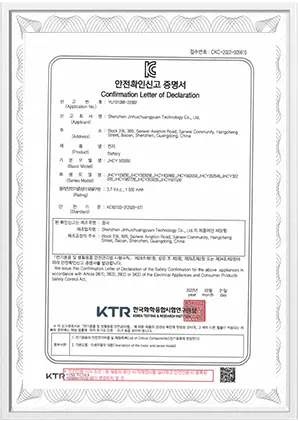
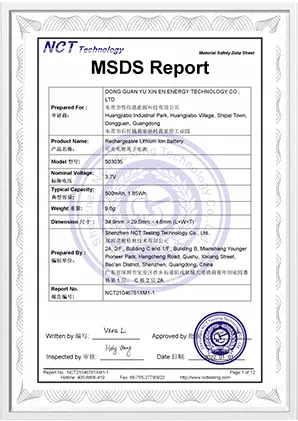
Our products are certified for import and distribution in regulated markets, including the EU and North America.

Common inquiries regarding the deployment of solar cameras in high-salinity equatorial environments:
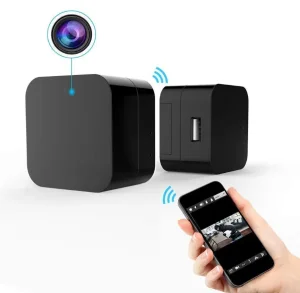
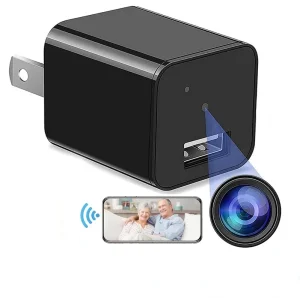
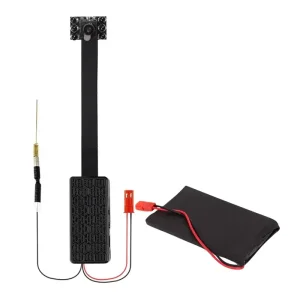
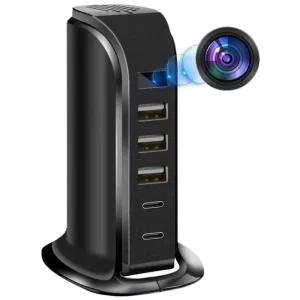
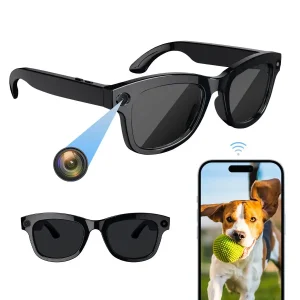
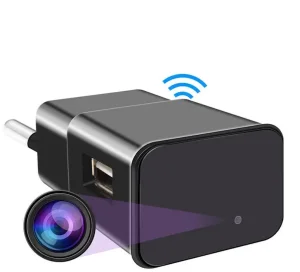
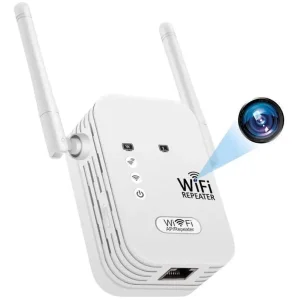
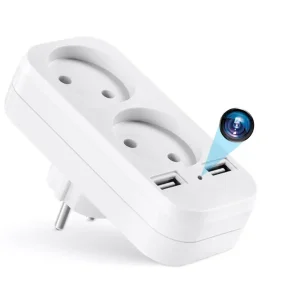
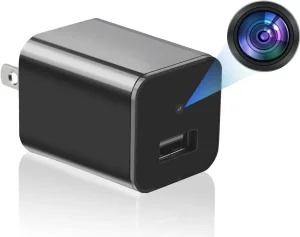
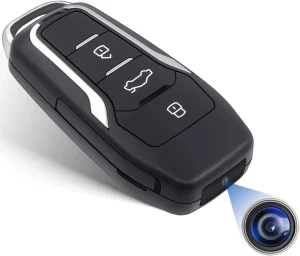
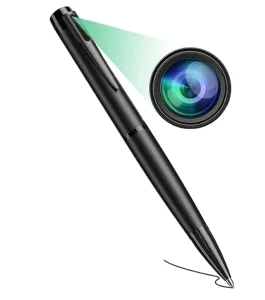
Browse our extended line of smart visual systems and hidden cameras. All items are manufactured under strict ISO 9001 and CE/FCC/RoHS guidelines.
Contact our sales engineers today to receive a comprehensive hardware recommendation and customized pricing quotation for your upcoming security project in Kiribati.
Send Inquiry Now